

DescriptionOne thing the Carthaginians learned from the Greeks was how to carve intaglio images of horses. On their coins the people are kind of flat affect, but their horses are alive.Ancient Africa developed several power centers along the Mediterranean coast from Mauritania in the west to Egypt in the east. Zeugitania was the eastern part of the projection of Tunisia closest to Sicily. Phoenicians from Tyre established a colony there in the 8th century BC. The big city was Carthage, from which the Phoenicians proceeded into Sicily.Ancient Coins includes Greek and Roman coins and those of neighbors and successors, geographically from Morocco and Spain all the way to Afghanistan. Date ranges for these begin with the world’s earliest coins of the 8th century BC to, in an extreme case, the end of Byzantine Empire, 1453 AD.
You may also like…
-
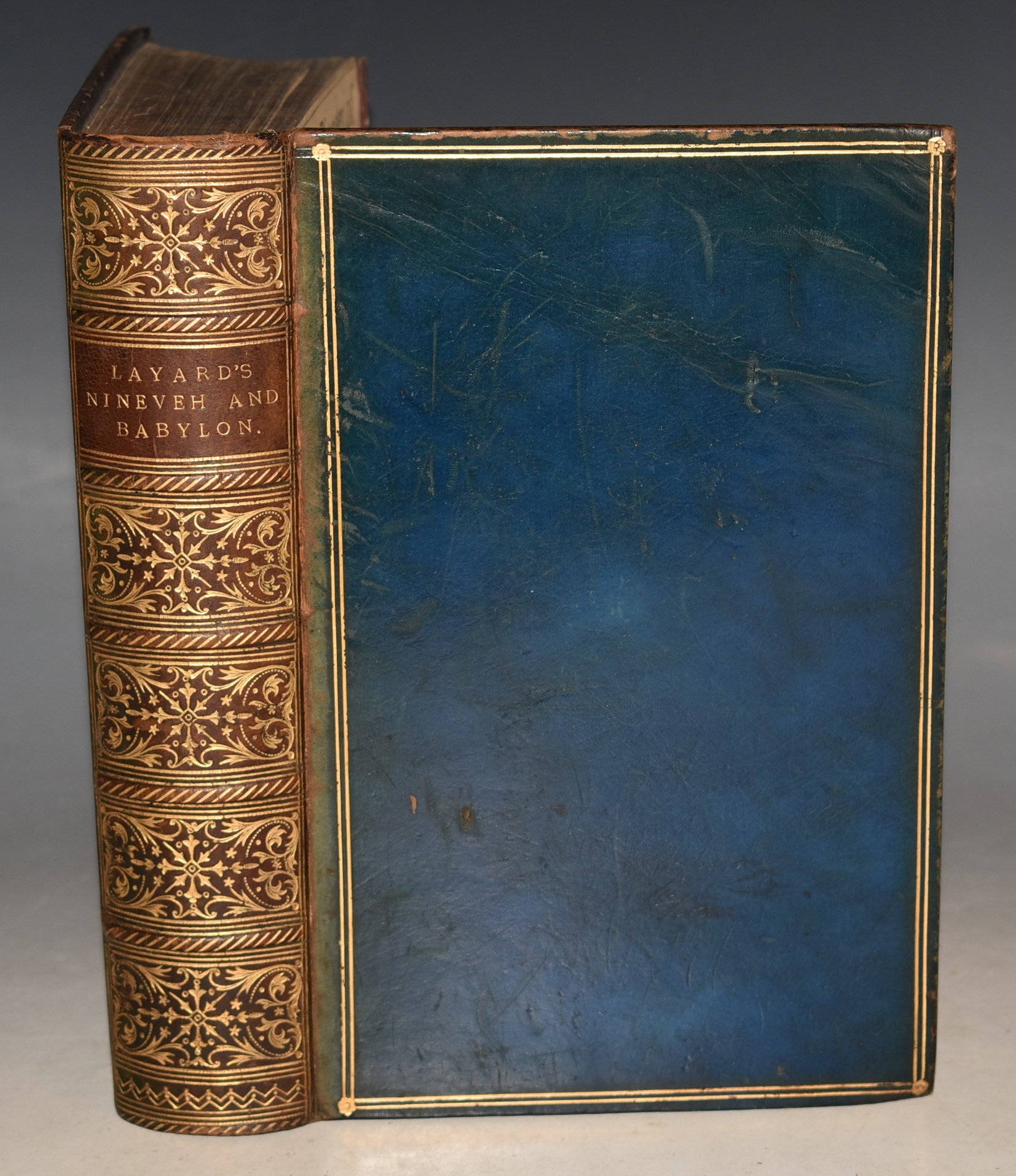 Discoveries in the Ruins of Nineveh and Babylon; With Travels in Armenia, Kurdistan and the Desert: Being the Result of a Second Expedition undertaken for The Trustees of the British Museum. With Maps, Plans and Illustrations.Find out more
 -
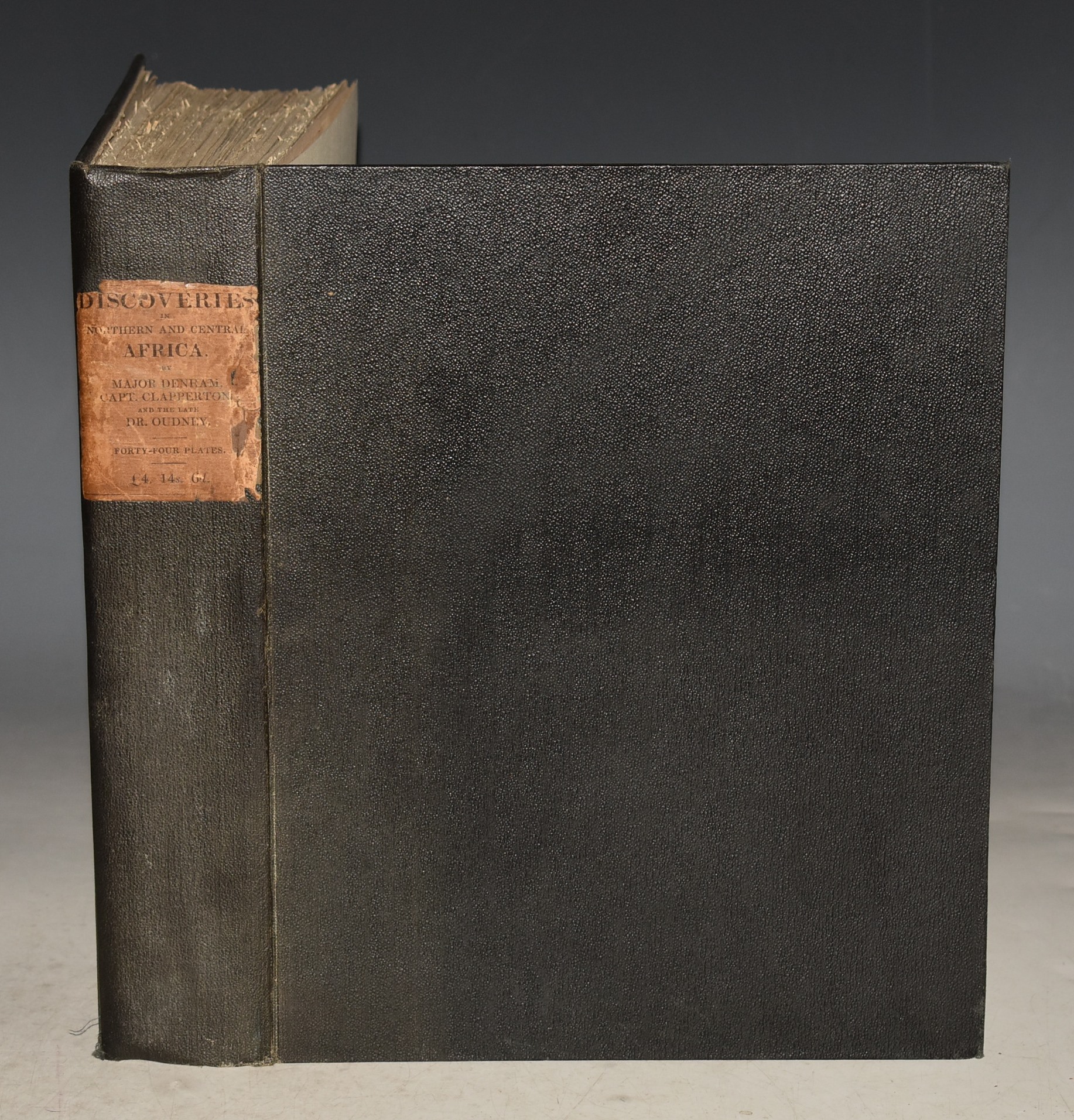 Narrative of Travels and Discoveries in Northern and Central Africa In The Years 1822, 1823 & 1824, by Major Denham, Captain Clapperton, and the Late Doctor Oudney., Extending Across the Great Desert to the Tenth Degree of Northern Latitude, and from Kouka in Bornou, to Sackatoo, The Capital of the Fellatah Empire.Find out more
Related products
-
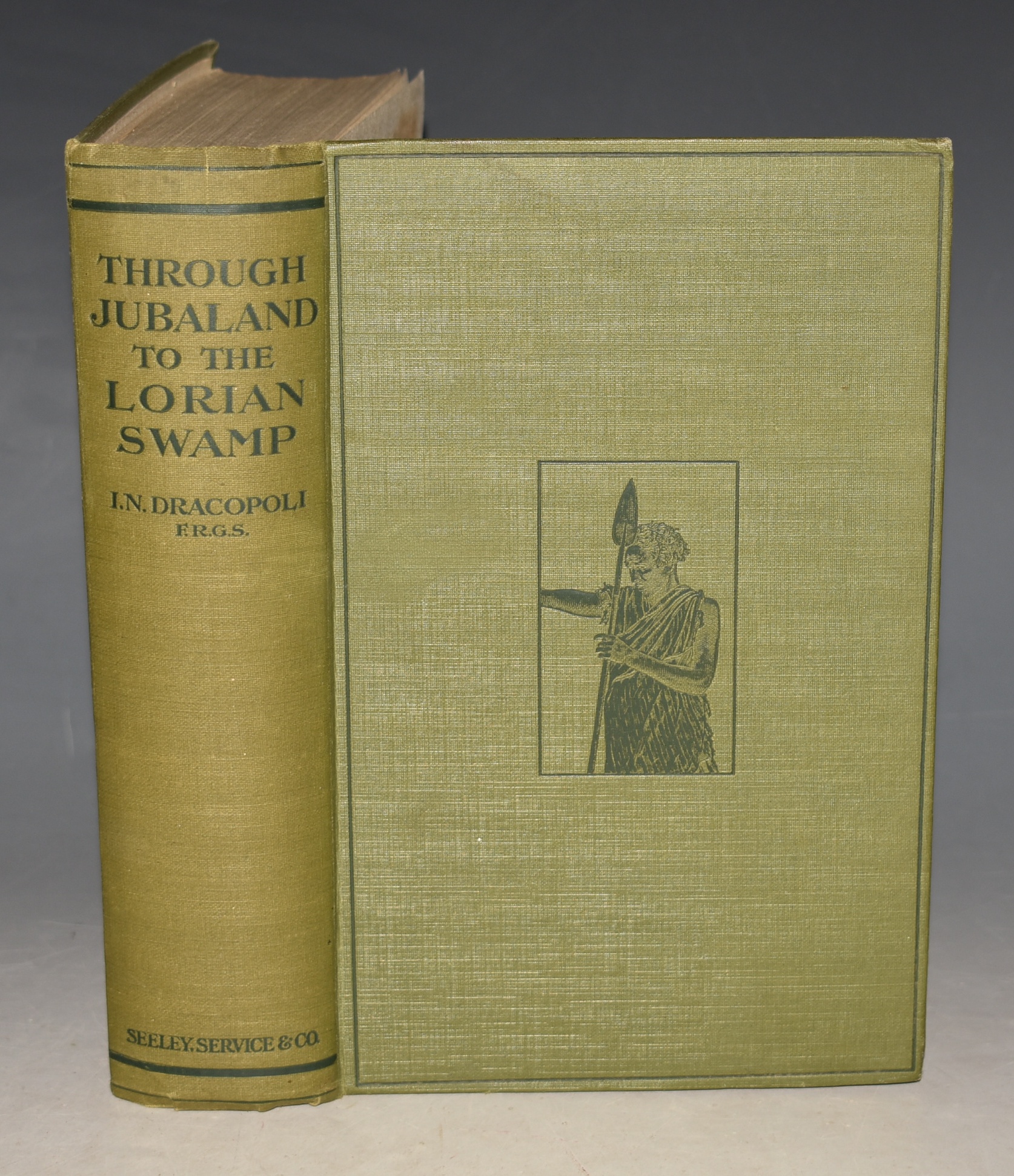 Through Jubaland To The Lorian Swamp An Adventurous Journey of Exploration & Sport in the Unknown African Forests & Deserts of Jubaland to the Unexplored Lorian Swamp. With 44 Illustrations and 2 Maps.Find out more
 -
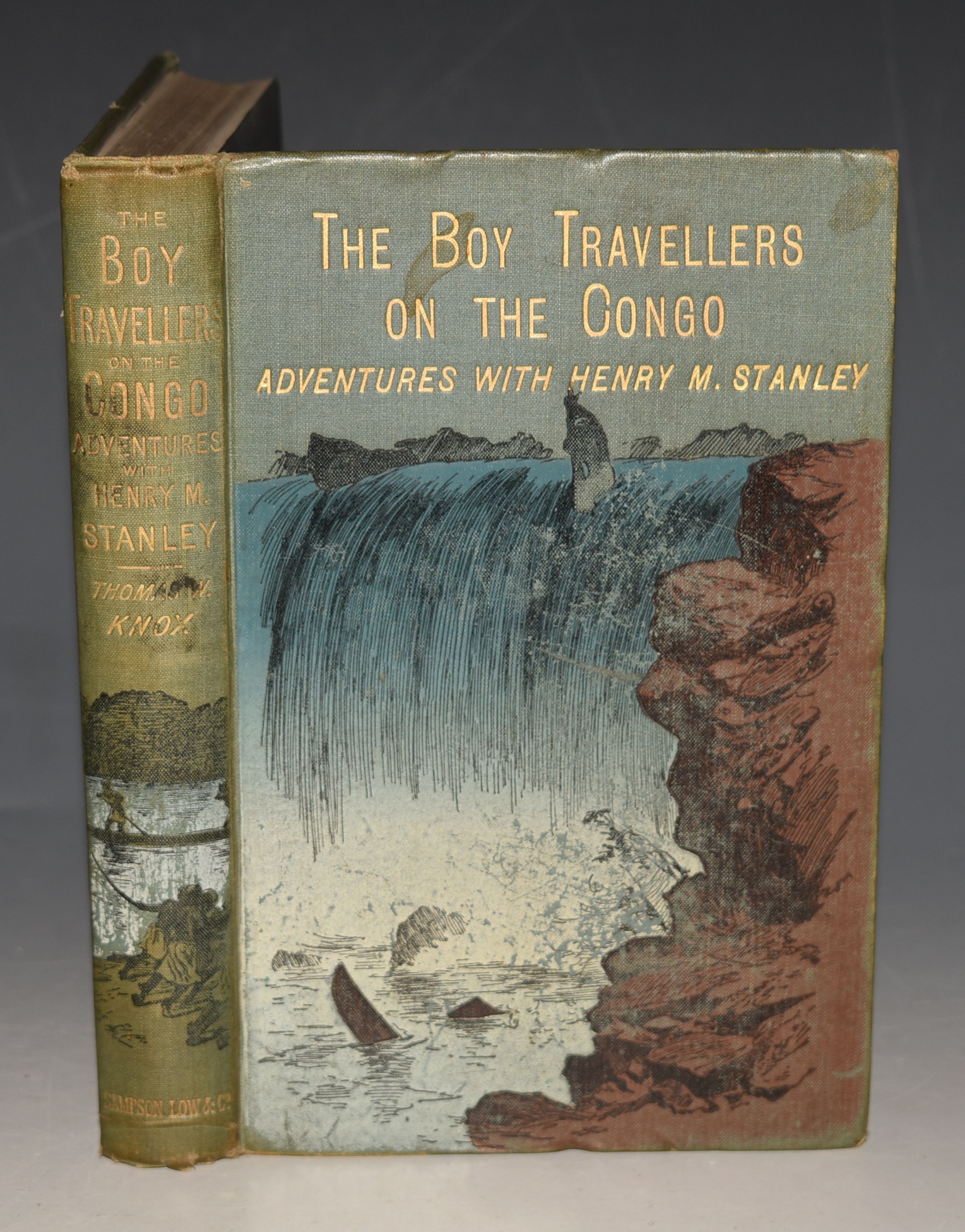 The Boy Travellers On The Congo, Adventures of Two Youths in a Journey with Henry M. Stanley “Through The Dark Continent.” Illustrated.Find out more
 -
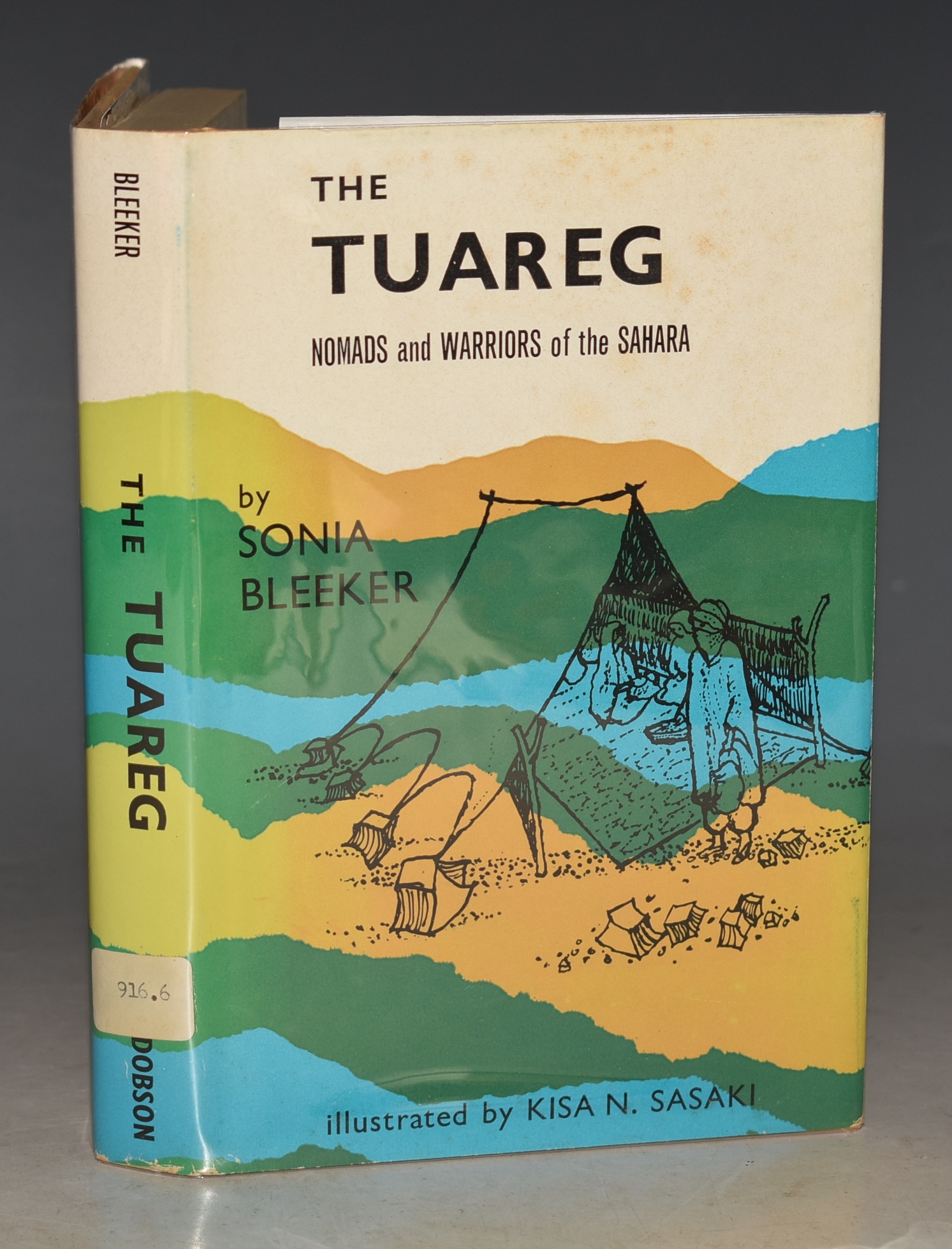 The Tuareg; Nomads and Warriors of the Sahara. Illustrated by Kisa N. Sasaki.Find out more
 -
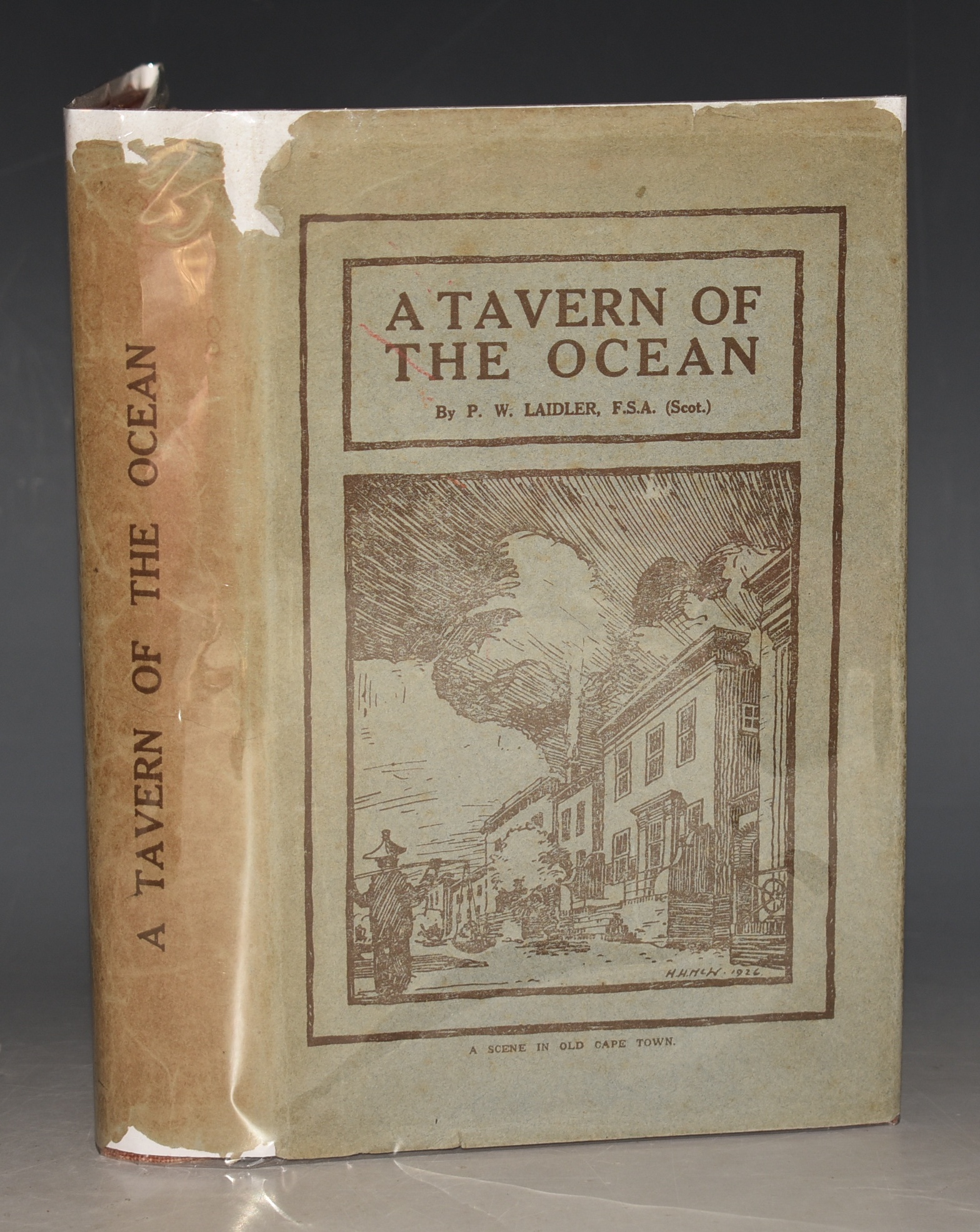 A Tavern in the Ocean Being a Social and Historical Sketch of Cape Town from its Earliest Days.Find out more