
DescriptionRwanda, notorious in recent memory for the attempted annihilation of one ethnic group by another, now a relatively coherent, relatively modernizing, sort of liberal police state, in which people can substantially do what they want as long as they don’t express certain thoughts. Regionally punches above its weight. It has developed an industrial infrastructure and has supported international trade.It has been habitual, on the collecting side of numismatics, for “Africa” to exclude the Mediterranean coastal states, which are typically lumped in with the other Arab states in the category “Middle East.” Generally speaking, there was a colonial period and an independent period.By “Modern World Coins” we mean here, generally, the round, flat, shiny metal objects that people have used for money and still do. “Modern,” though, varies by location. There was some other way they were doing their economies, and then they switched over to “modern coins,” then they went toward paper money, now we’re all going toward digital, a future in which kids look at a coin and say “What’s that?” We’ll say: “We used to use those to buy things.” Kids will ask “How?” The main catalog reference is the Standard Catalog of World Coins, to which the KM numbers refer.
You may also like…
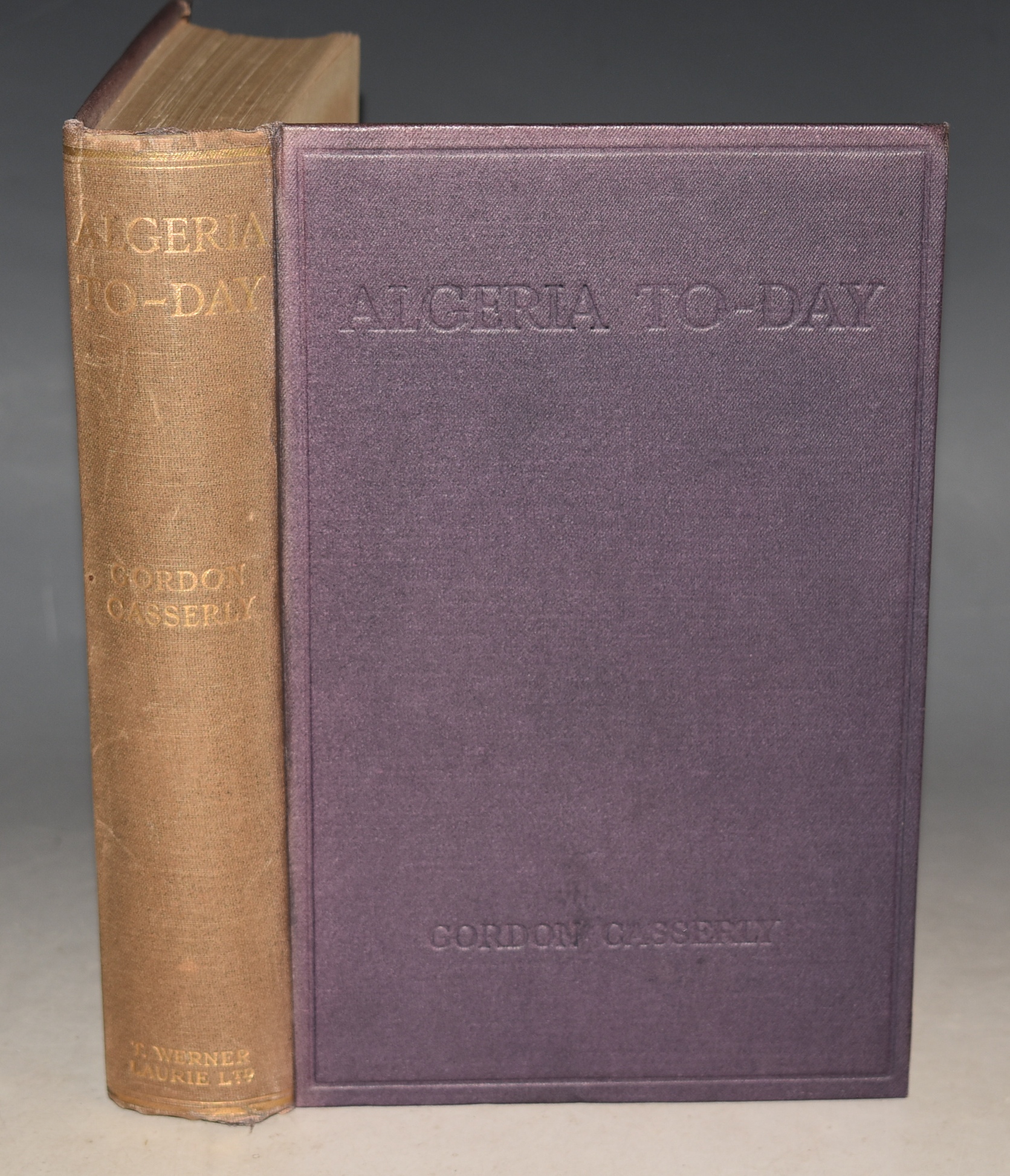 Algeria To-Day Illustrated from Photographs by The Photographic Service, Government of Algeria, and The Author.
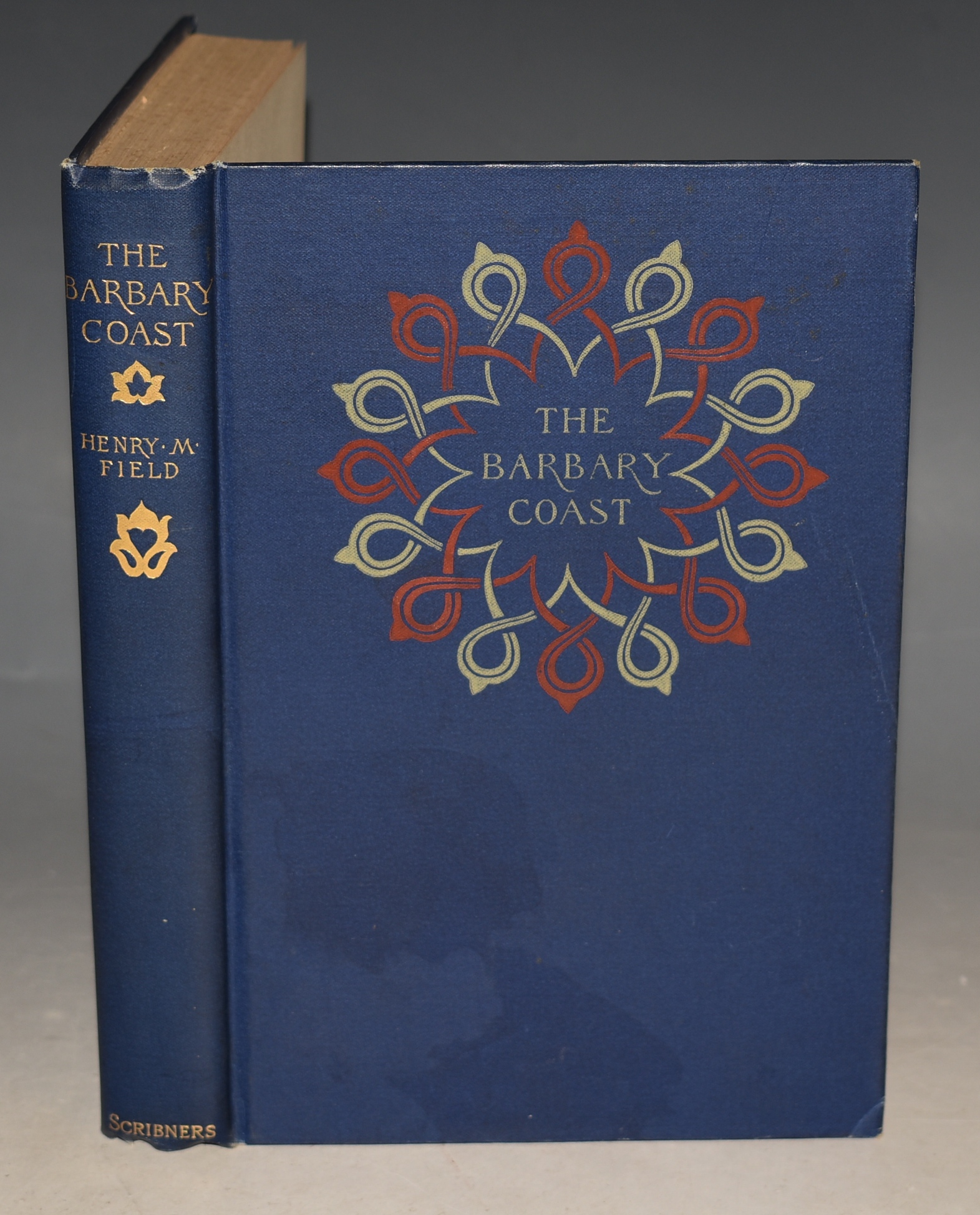 The Barbary Coast With Illustrations.
Related products
-
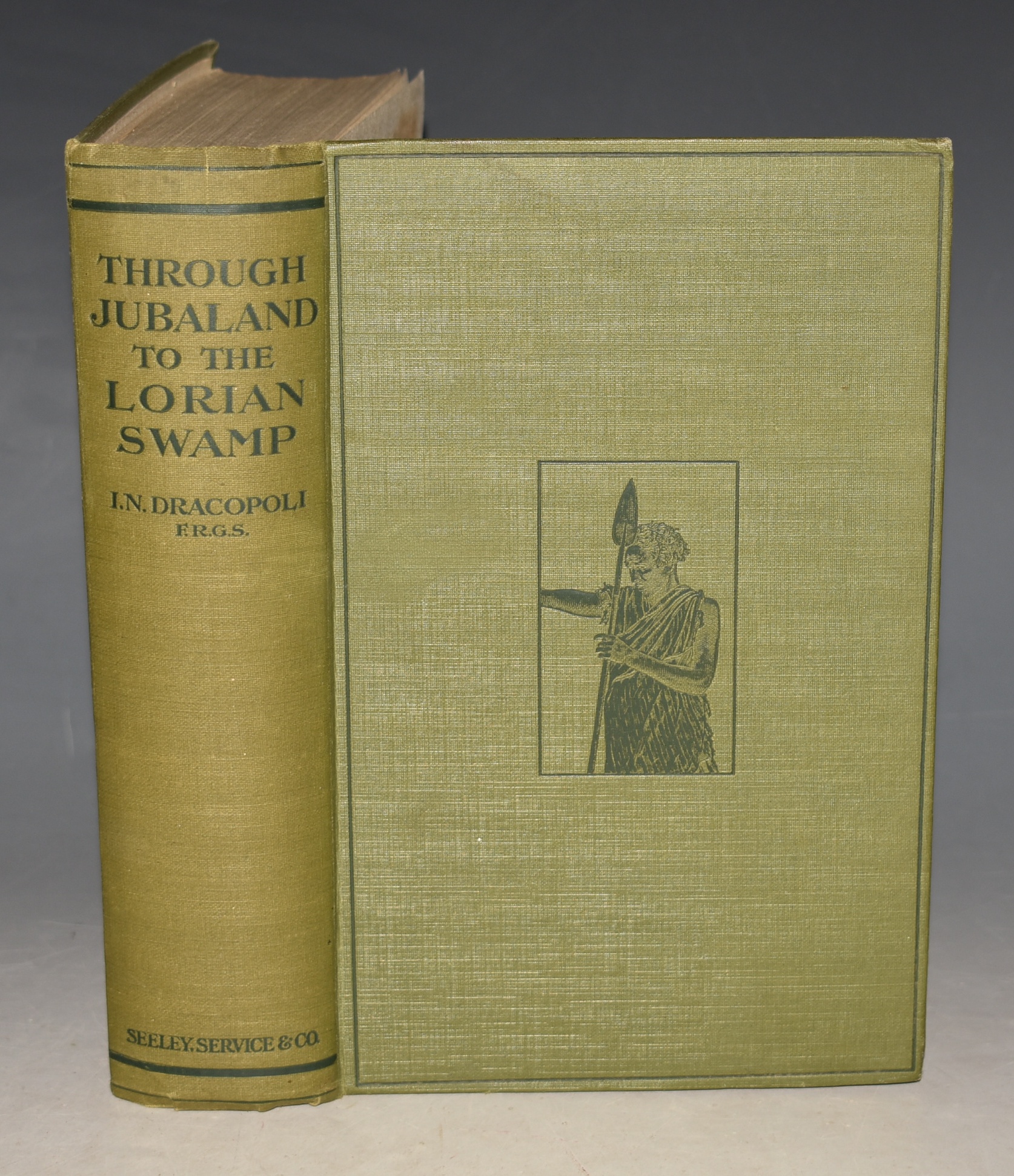 Through Jubaland To The Lorian Swamp An Adventurous Journey of Exploration & Sport in the Unknown African Forests & Deserts of Jubaland to the Unexplored Lorian Swamp. With 44 Illustrations and 2 Maps.Find out more
 -
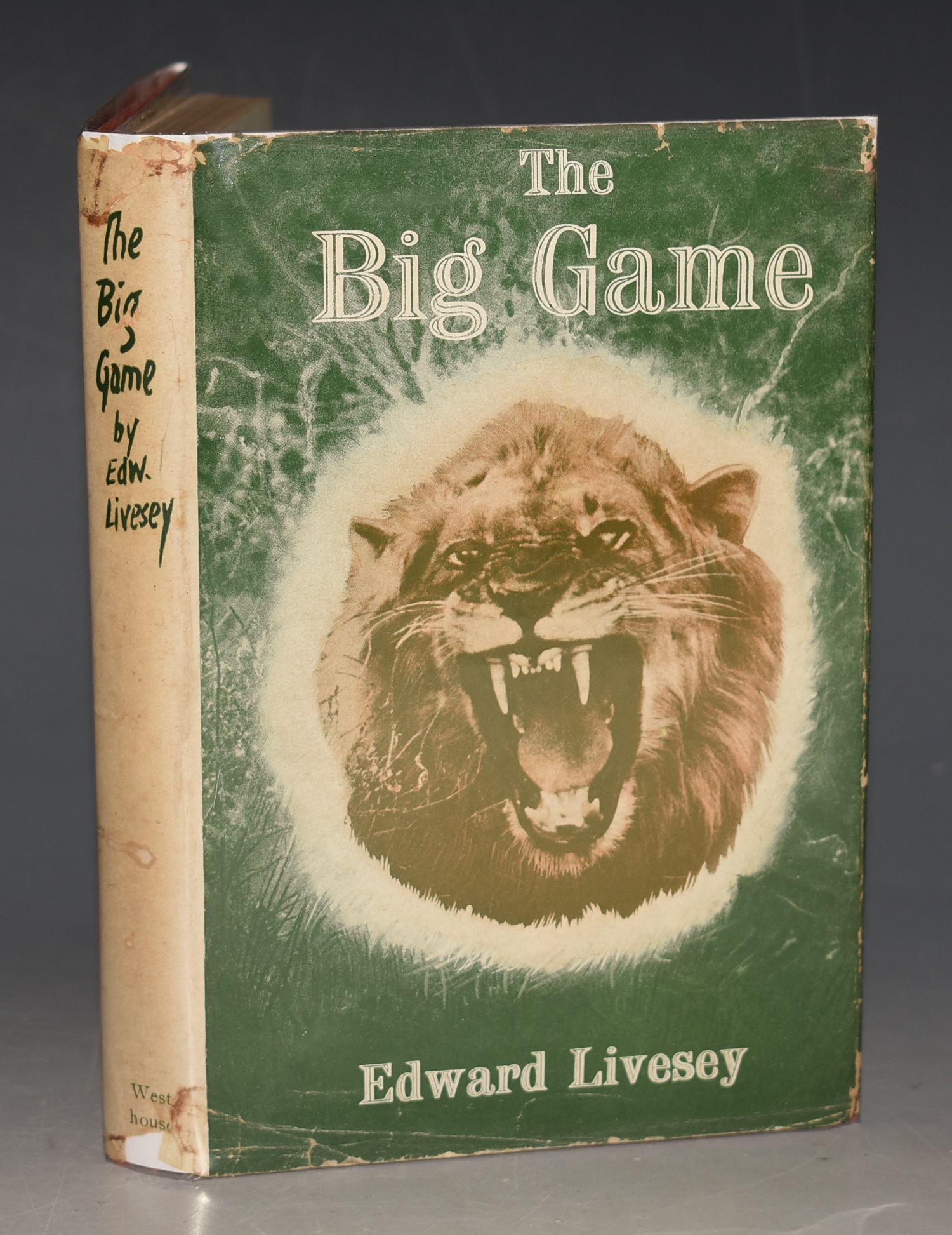 The Big Game With Engravings by H. Dixon. Frontispiece by William WoodFind out more
 -
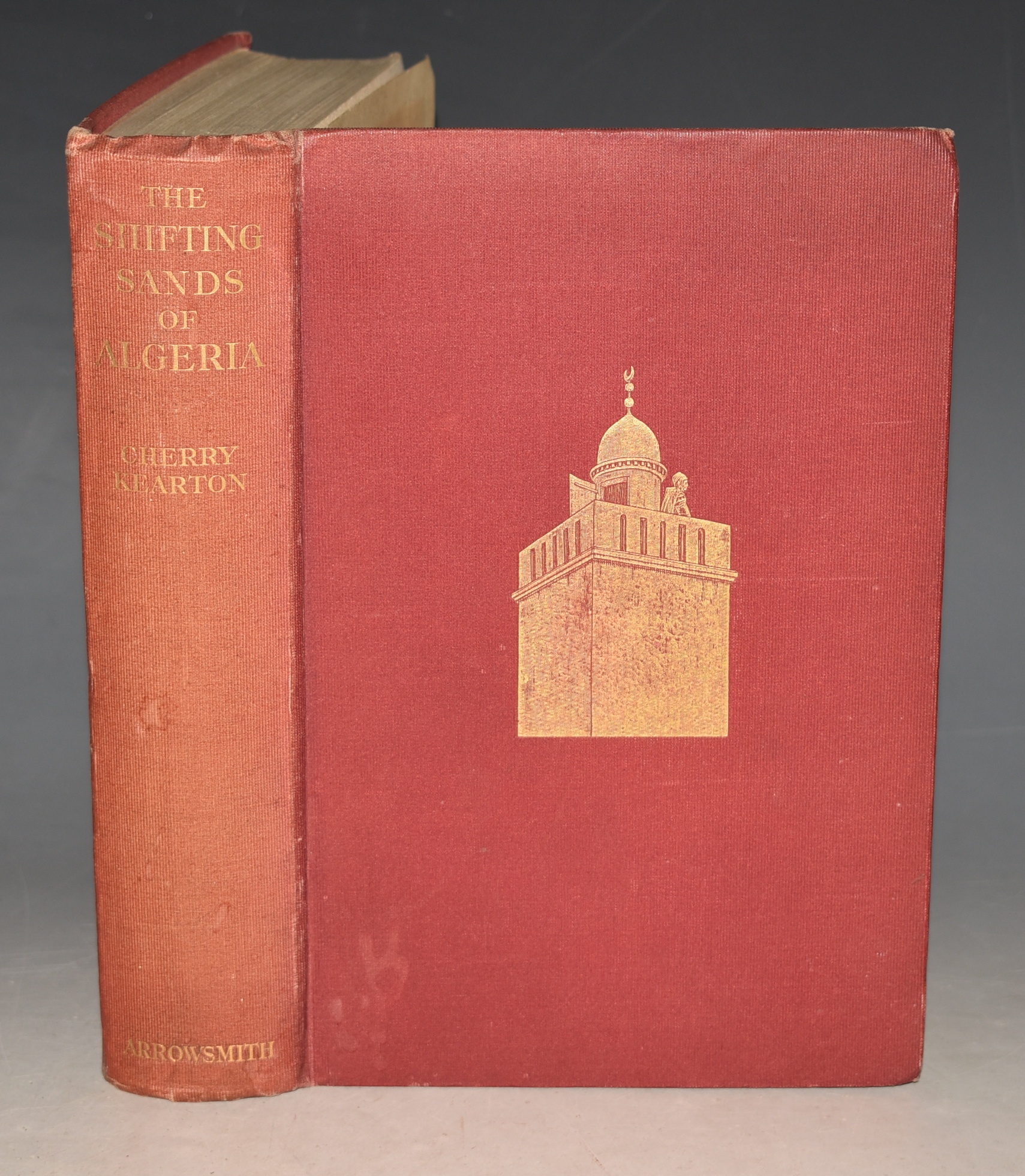 The Shifting Sands of Algeria. With 79 Photographs.Find out more
 -
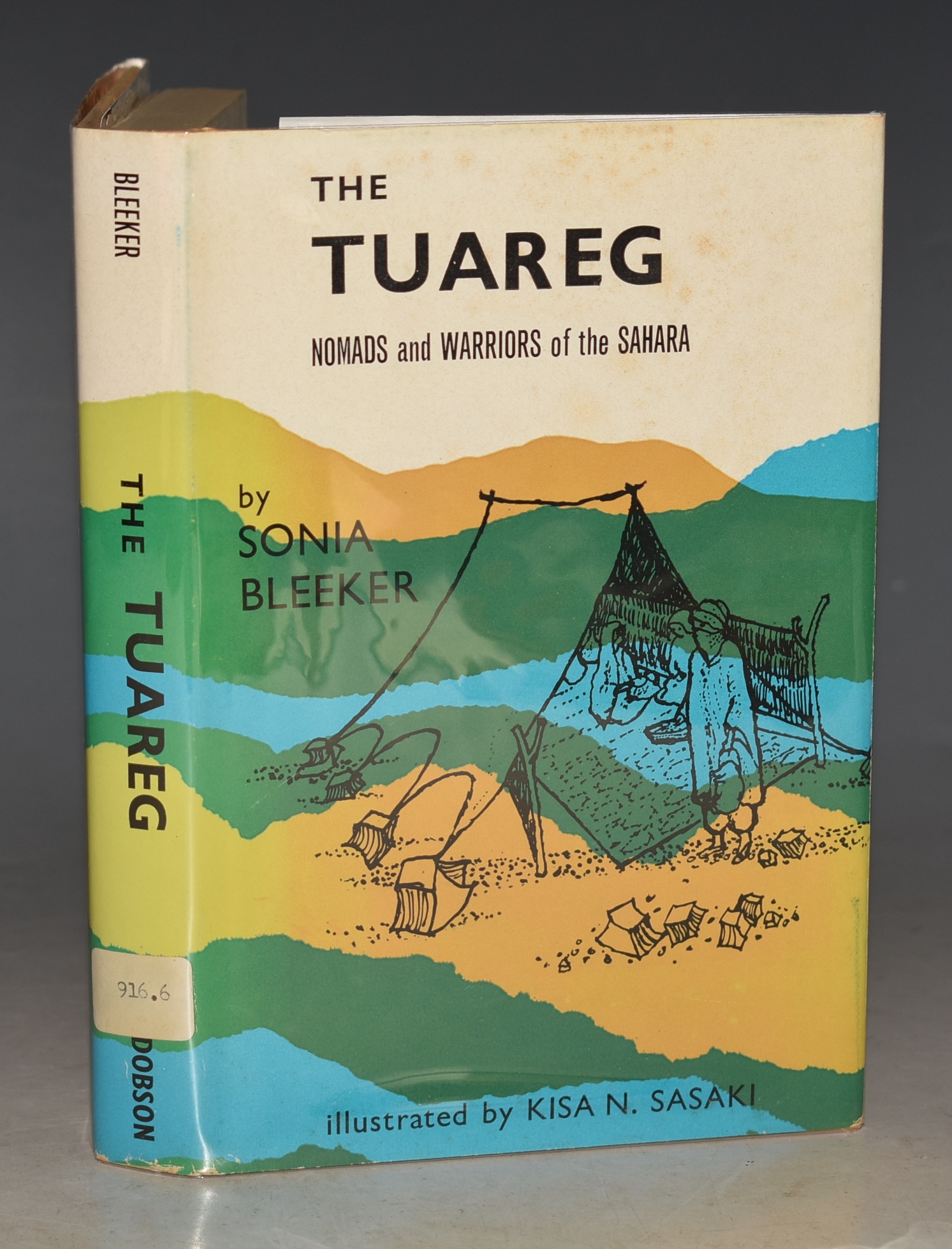 The Tuareg; Nomads and Warriors of the Sahara. Illustrated by Kisa N. Sasaki.Find out more