

DescriptionAngola is the northeastern part of southern Africa. Khoi/San people were living there in ancient times. In the 19th century Europeans called them Hottentots. Bantu herding people started showing up in the first millennium BC. Large kingdoms started to appear around 1000 AD, the largest being an empire called Kongo, which grew from Angola to encompass most of modern Congo as far as Gabon in West Africa. The Portuguese arrived in the late 15th century, first treating Kongo as a peer nation and sending ambassadors. Kongo became officially Catholic. Then the Portuguese made war on Kongo for several centuries until the had destroyed it. They went on to colonize Angola and established an extractive colonial police state with slavery as a feature. Slavery was replaced with forced labor. After World War II three rival independence movements emerged. The Portuguese held on until they had their own revolution in 1975. The three independence armies fought it out, with plenty of outside interference, until just a couple of decades ago.It has been habitual, on the collecting side of numismatics, for “Africa” to exclude the Mediterranean coastal states, which are typically lumped in with the other Arab states in the category “Middle East.” Generally speaking, there was a colonial period and an independent period.By “Modern World Coins” we mean here, generally, the round, flat, shiny metal objects that people have used for money and still do. “Modern,” though, varies by location. There was some other way they were doing their economies, and then they switched over to “modern coins,” then they went toward paper money, now we’re all going toward digital, a future in which kids look at a coin and say “What’s that?” We’ll say: “We used to use those to buy things.” Kids will ask “How?” The main catalog reference is the Standard Catalog of World Coins, to which the KM numbers refer.
You may also like…
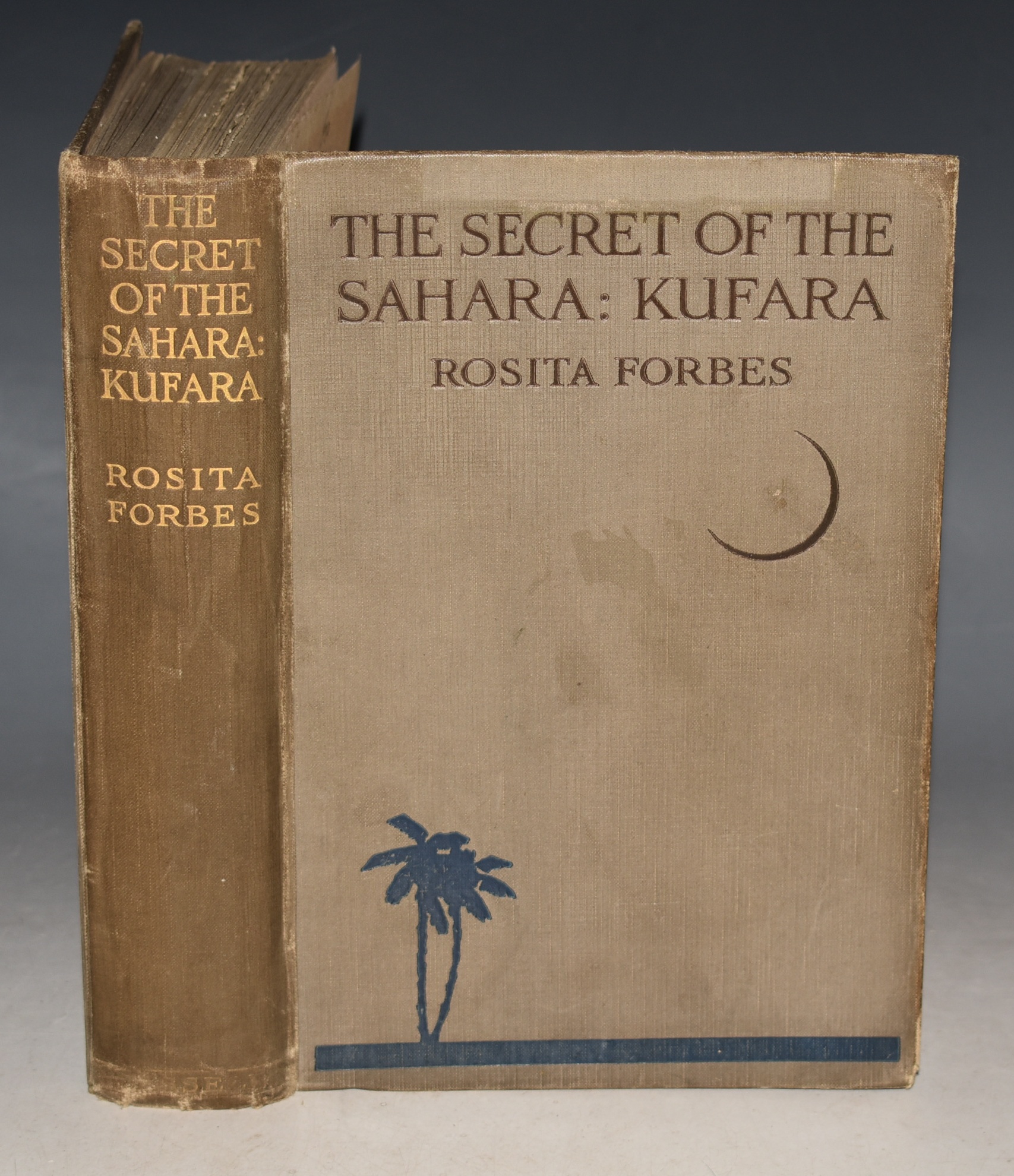 The Secret of the Sahara: Kufara. Author of “Unconducted Wanderers”. With 76 Illustrations from Photographs by the Author, and a Map.
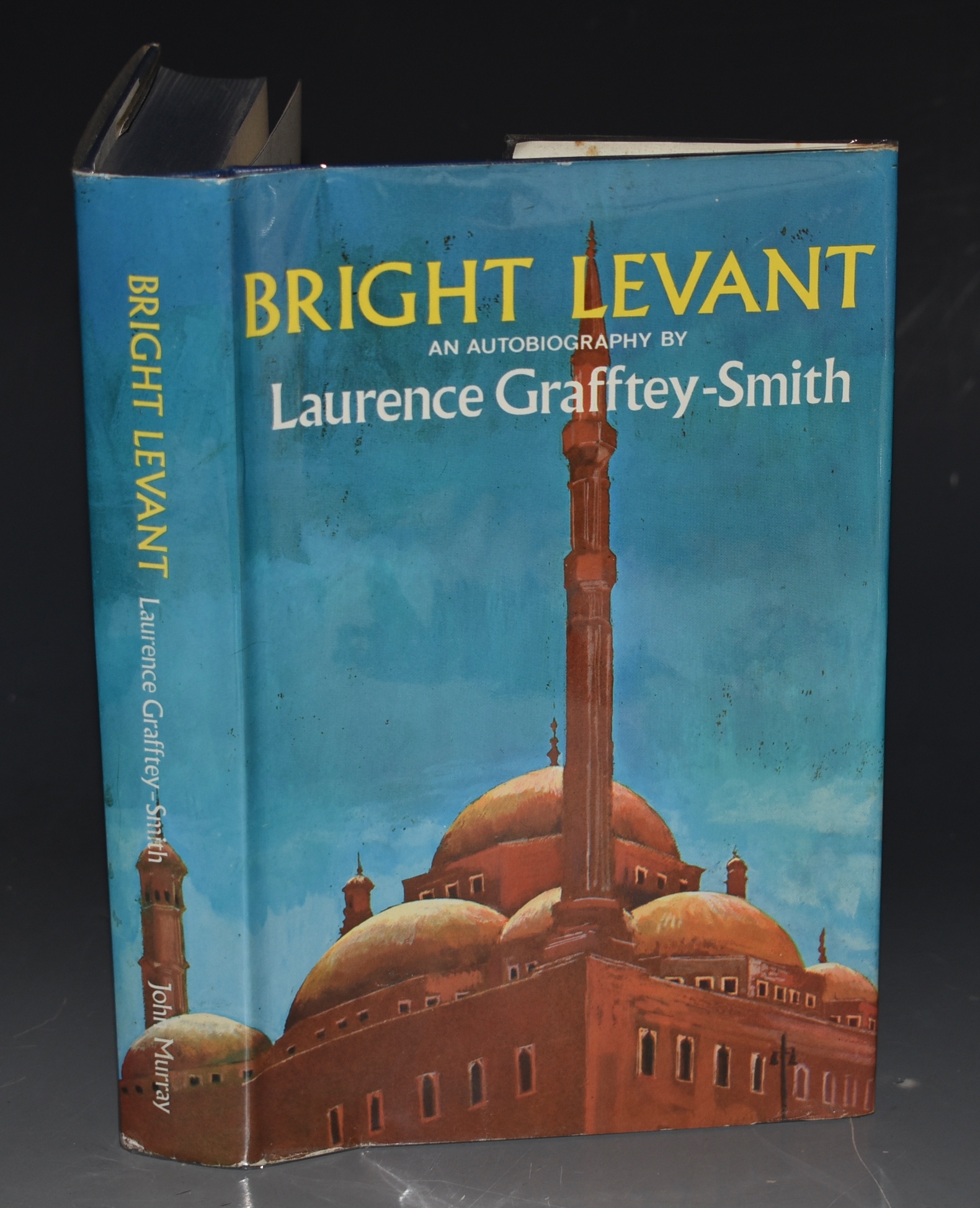 Bright Levant. Signed by Son of the Author.
Related products
-
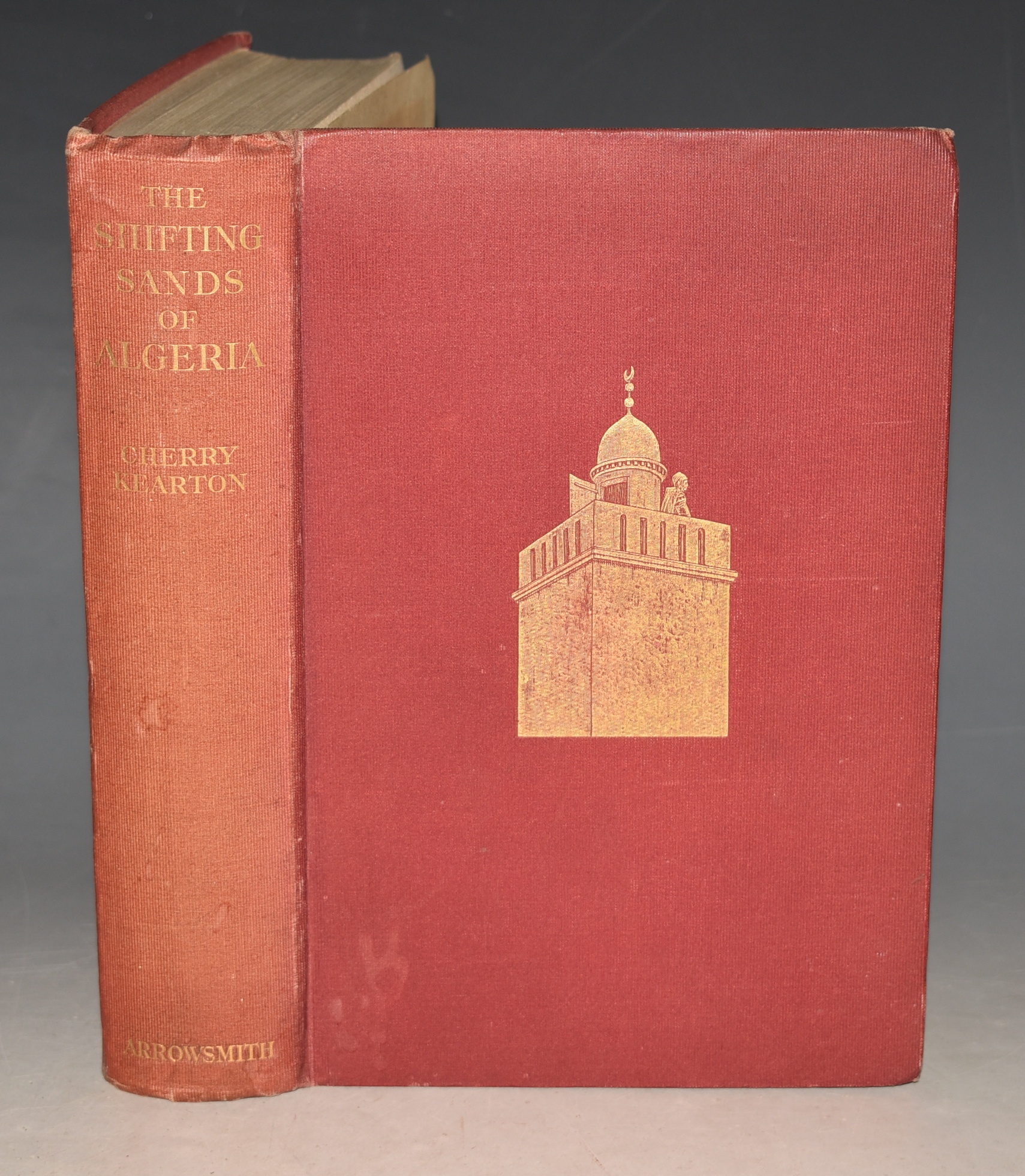 The Shifting Sands of Algeria. With 79 Photographs.Find out more
 -
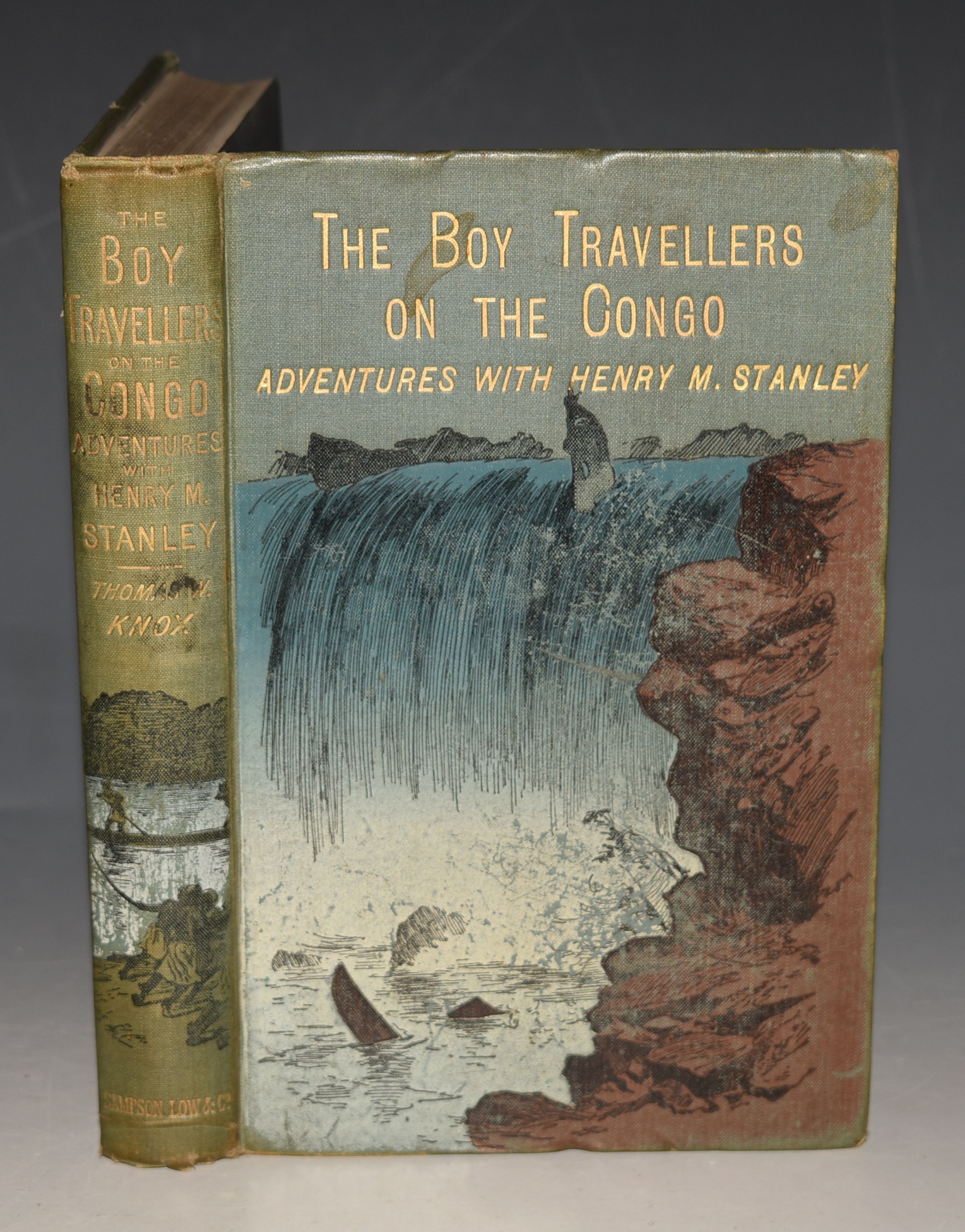 The Boy Travellers On The Congo, Adventures of Two Youths in a Journey with Henry M. Stanley “Through The Dark Continent.” Illustrated.Find out more
 -
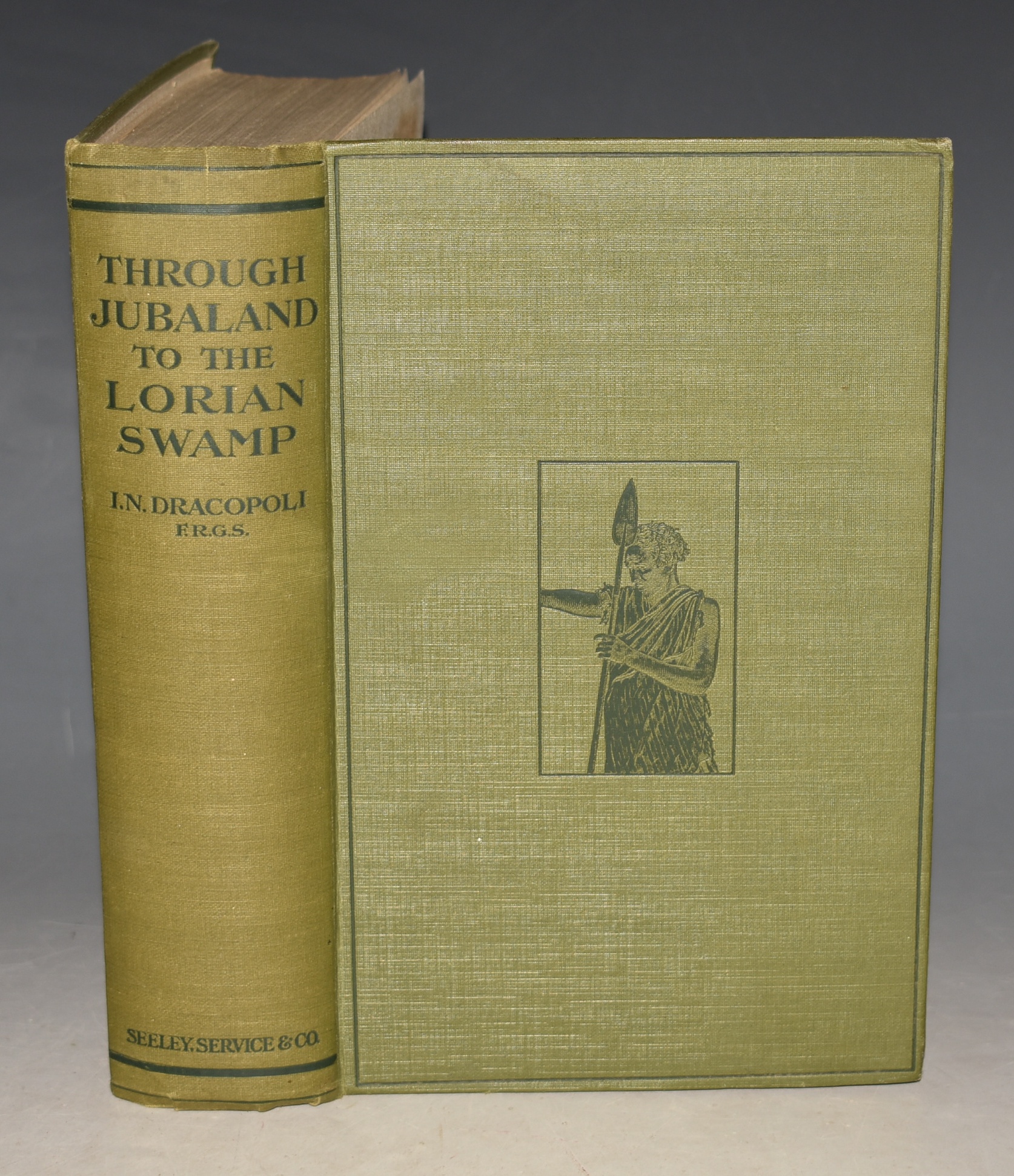 Through Jubaland To The Lorian Swamp An Adventurous Journey of Exploration & Sport in the Unknown African Forests & Deserts of Jubaland to the Unexplored Lorian Swamp. With 44 Illustrations and 2 Maps.Find out more
 -
 Algeria To-Day Illustrated from Photographs by The Photographic Service, Government of Algeria, and The Author.Find out more