

DescriptionTwo different lighting schemes. The surfaces are totally original.What is described in Wikipedia as “ethnic tensions” in Nigeria grew in the 1960s, until the secession of Biafra in 1967. That was the lower coastal southeast region, ethnically predominantly Igbo, where a lot of Nigeria’s oil lay. The northerners waged a war to recover the region, which they won in 1970. Extractive economic policies and ethnically discriminatory administrative procedures have apparently continued in subsequent decades.It has been habitual, on the collecting side of numismatics, for “Africa” to exclude the Mediterranean coastal states, which are typically lumped in with the other Arab states in the category “Middle East.” Generally speaking, there was a colonial period and an independent period.By “Modern World Coins” we mean here, generally, the round, flat, shiny metal objects that people have used for money and still do. “Modern,” though, varies by location. There was some other way they were doing their economies, and then they switched over to “modern coins,” then they went toward paper money, now we’re all going toward digital, a future in which kids look at a coin and say “What’s that?” We’ll say: “We used to use those to buy things.” Kids will ask “How?” The main catalog reference is the Standard Catalog of World Coins, to which the KM numbers refer.
You may also like…
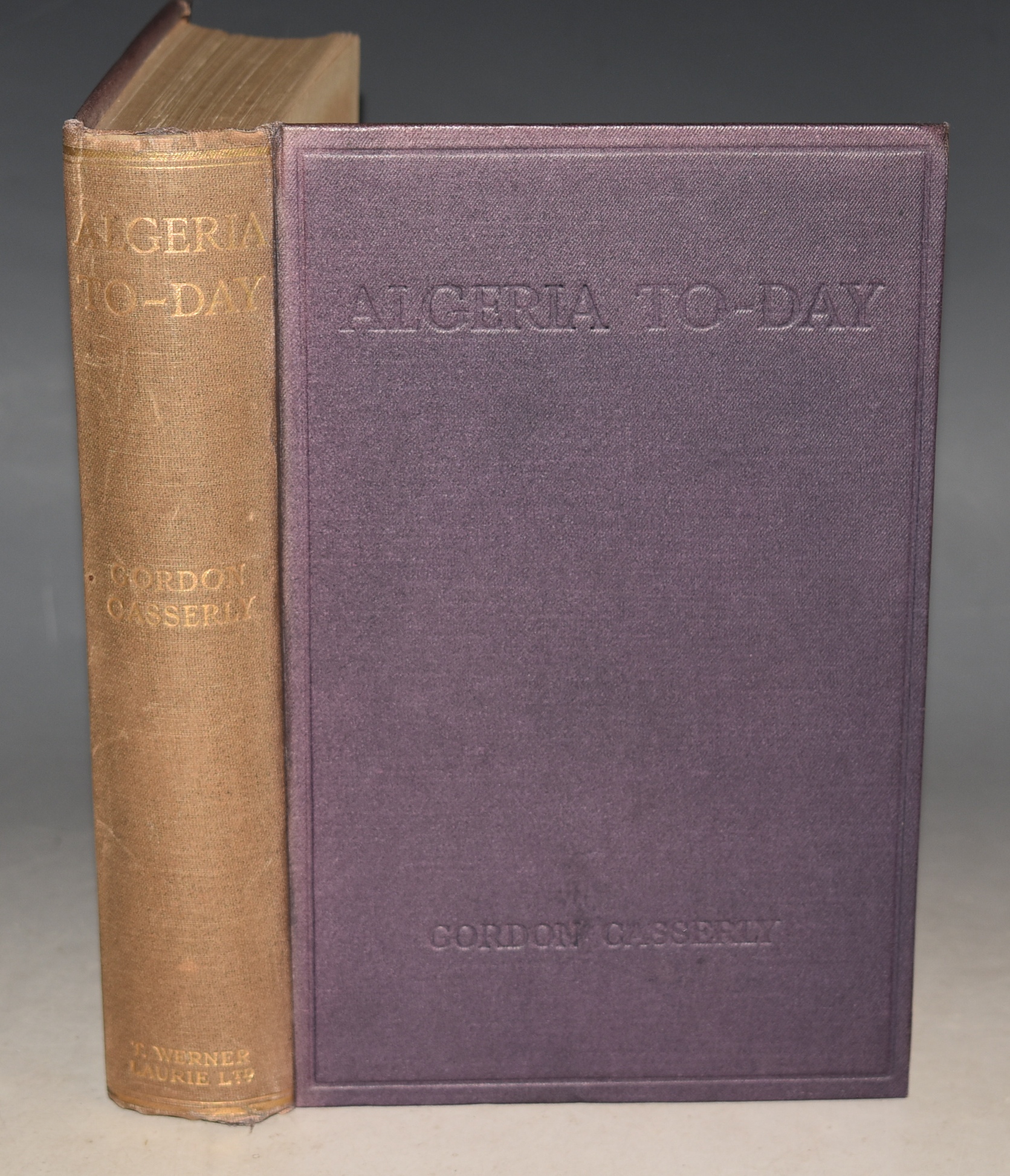 Algeria To-Day Illustrated from Photographs by The Photographic Service, Government of Algeria, and The Author.
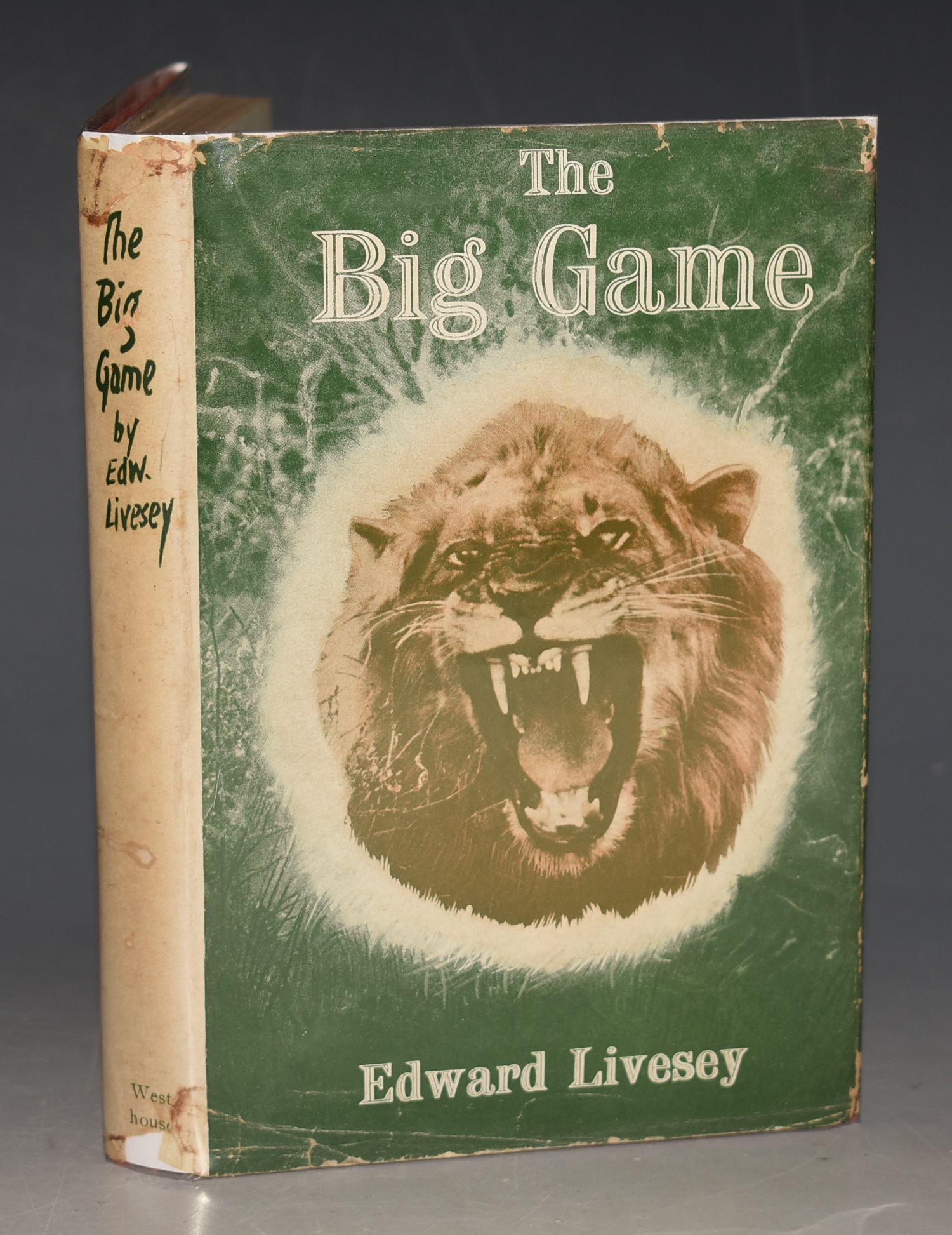 The Big Game With Engravings by H. Dixon. Frontispiece by William Wood
Related products
-
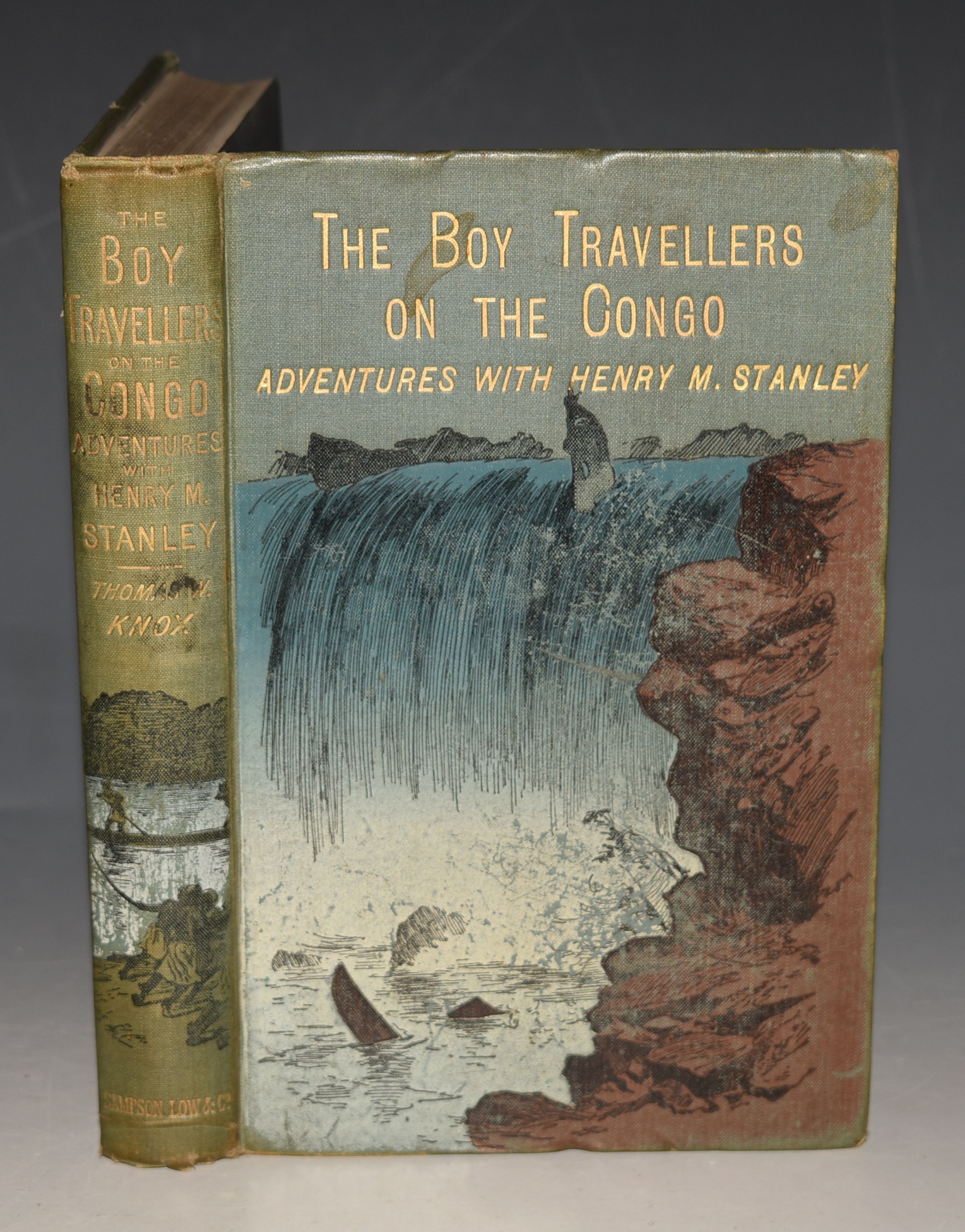 The Boy Travellers On The Congo, Adventures of Two Youths in a Journey with Henry M. Stanley “Through The Dark Continent.” Illustrated.Find out more
 -
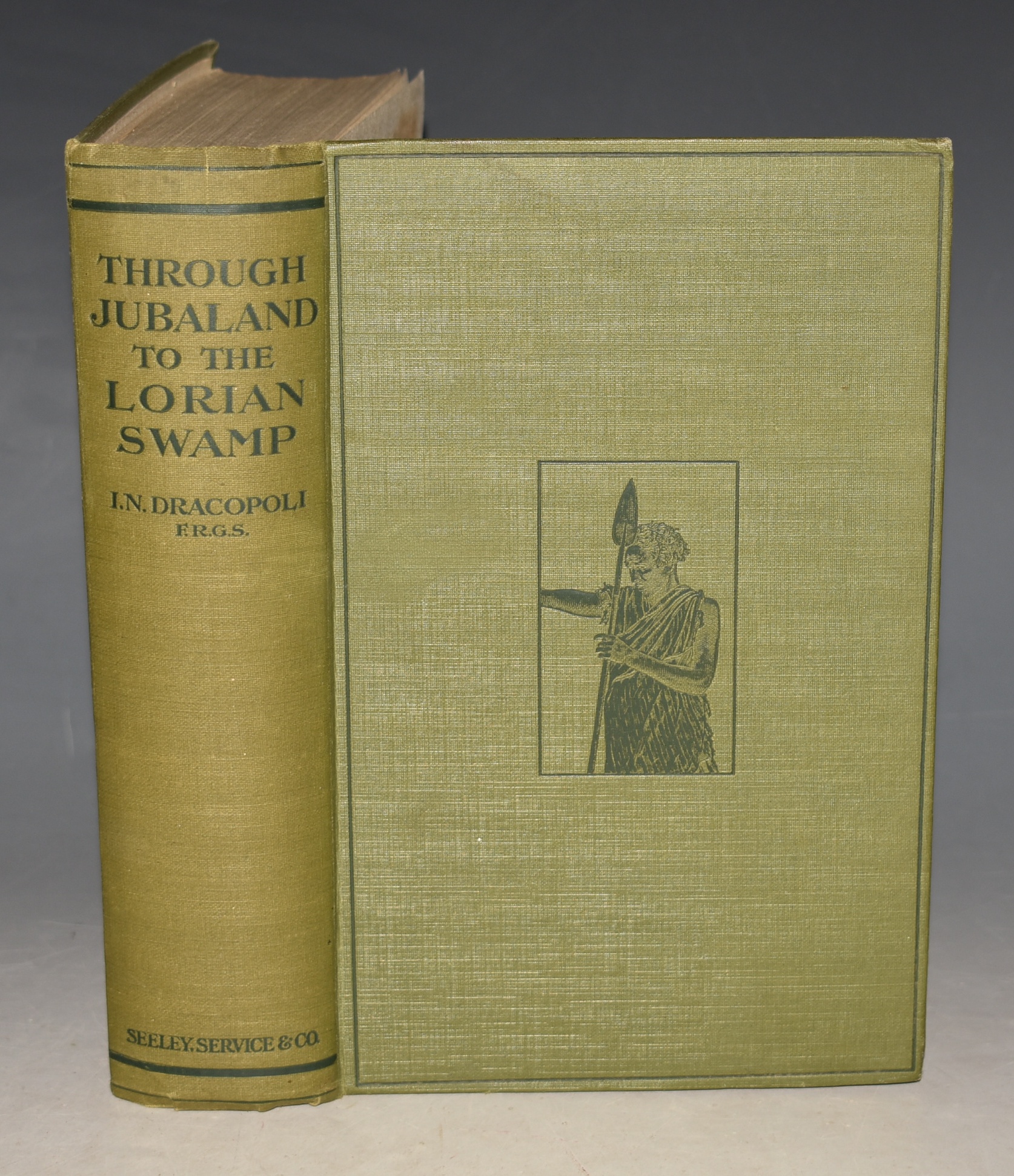 Through Jubaland To The Lorian Swamp An Adventurous Journey of Exploration & Sport in the Unknown African Forests & Deserts of Jubaland to the Unexplored Lorian Swamp. With 44 Illustrations and 2 Maps.Find out more
 -
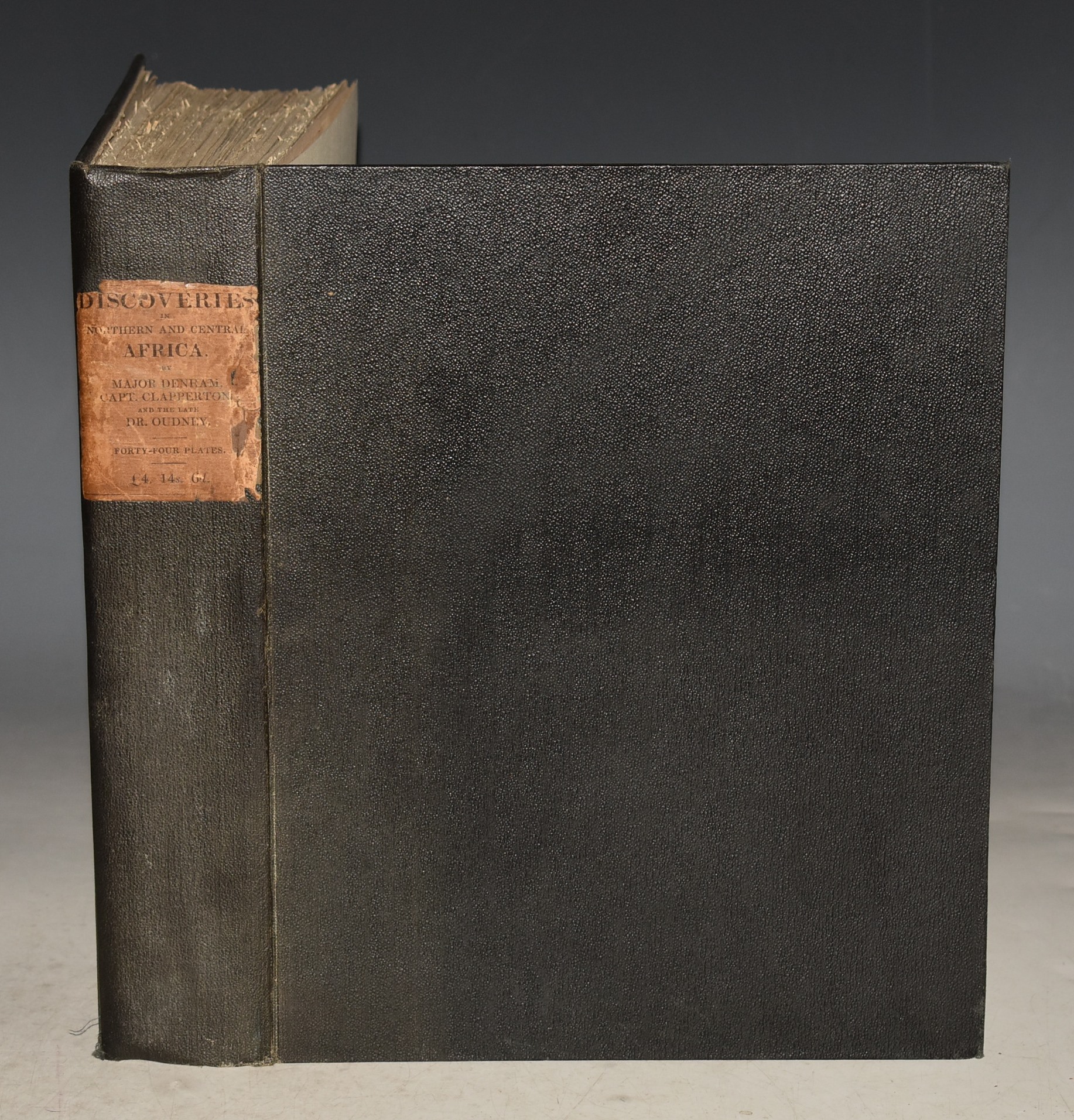 Narrative of Travels and Discoveries in Northern and Central Africa In The Years 1822, 1823 & 1824, by Major Denham, Captain Clapperton, and the Late Doctor Oudney., Extending Across the Great Desert to the Tenth Degree of Northern Latitude, and from Kouka in Bornou, to Sackatoo, The Capital of the Fellatah Empire.Find out more
 -
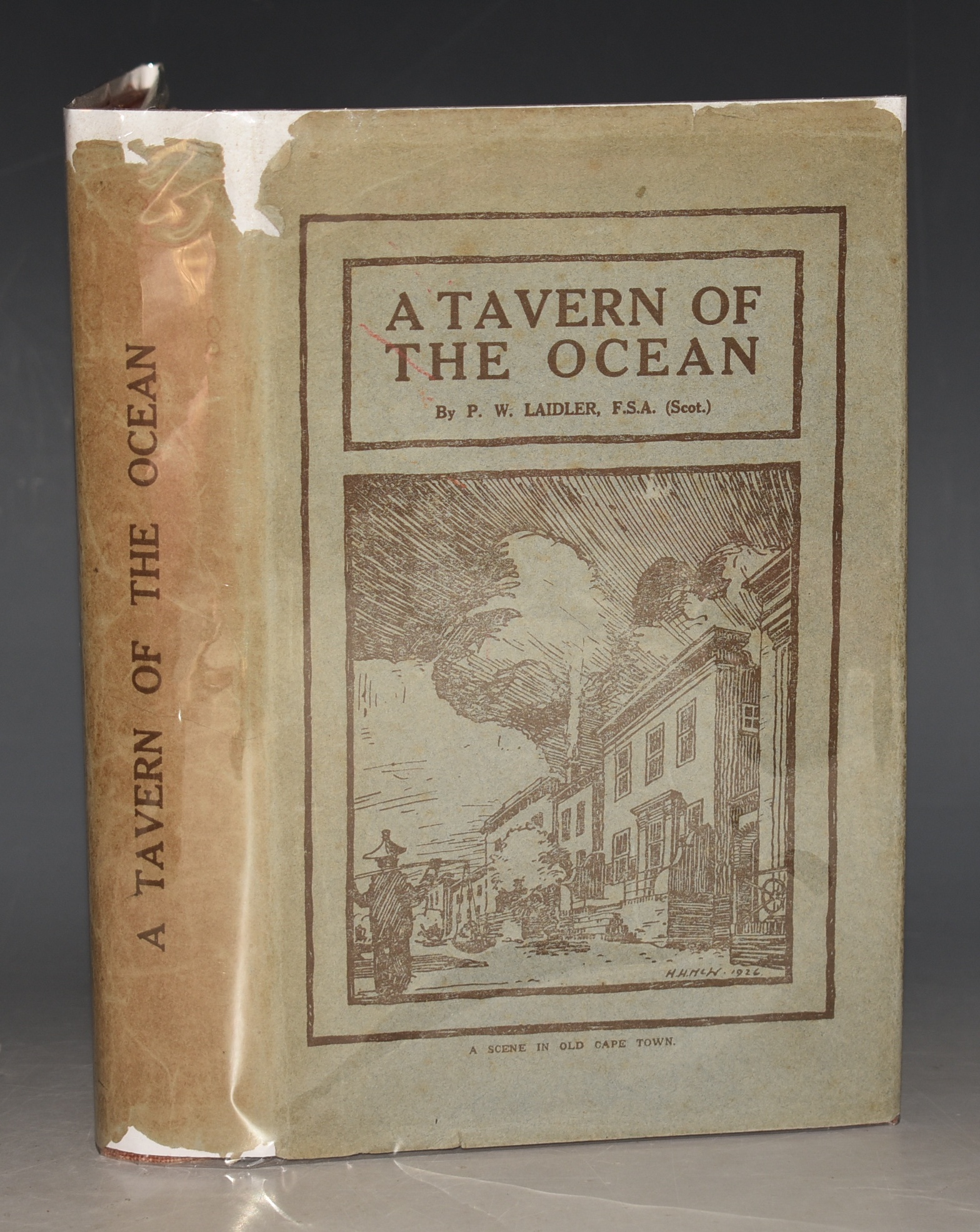 A Tavern in the Ocean Being a Social and Historical Sketch of Cape Town from its Earliest Days.Find out more