

DescriptionResearch is apparently at an early stage in the field of prehistory of Guinea-Bissau. Wikipedia doesn’t have anything to say until the 16th century, when it was part of the Mali gold dust Empire. Then the Portguese, who could not prevail against the natives for three centuries, meanwhile partly depopulating the region with the slave trade. There were rebellions, the last one, begun in the 1950s, ejected the Portuguese in 1973. Since then there have been dictators of various kinds, some elected, others installed in coups.It has been habitual, on the collecting side of numismatics, for “Africa” to exclude the Mediterranean coastal states, which are typically lumped in with the other Arab states in the category “Middle East.” Generally speaking, there was a colonial period and an independent period.By “Modern World Coins” we mean here, generally, the round, flat, shiny metal objects that people have used for money and still do. “Modern,” though, varies by location. There was some other way they were doing their economies, and then they switched over to “modern coins,” then they went toward paper money, now we’re all going toward digital, a future in which kids look at a coin and say “What’s that?” We’ll say: “We used to use those to buy things.” Kids will ask “How?” The main catalog reference is the Standard Catalog of World Coins, to which the KM numbers refer.
You may also like…
-
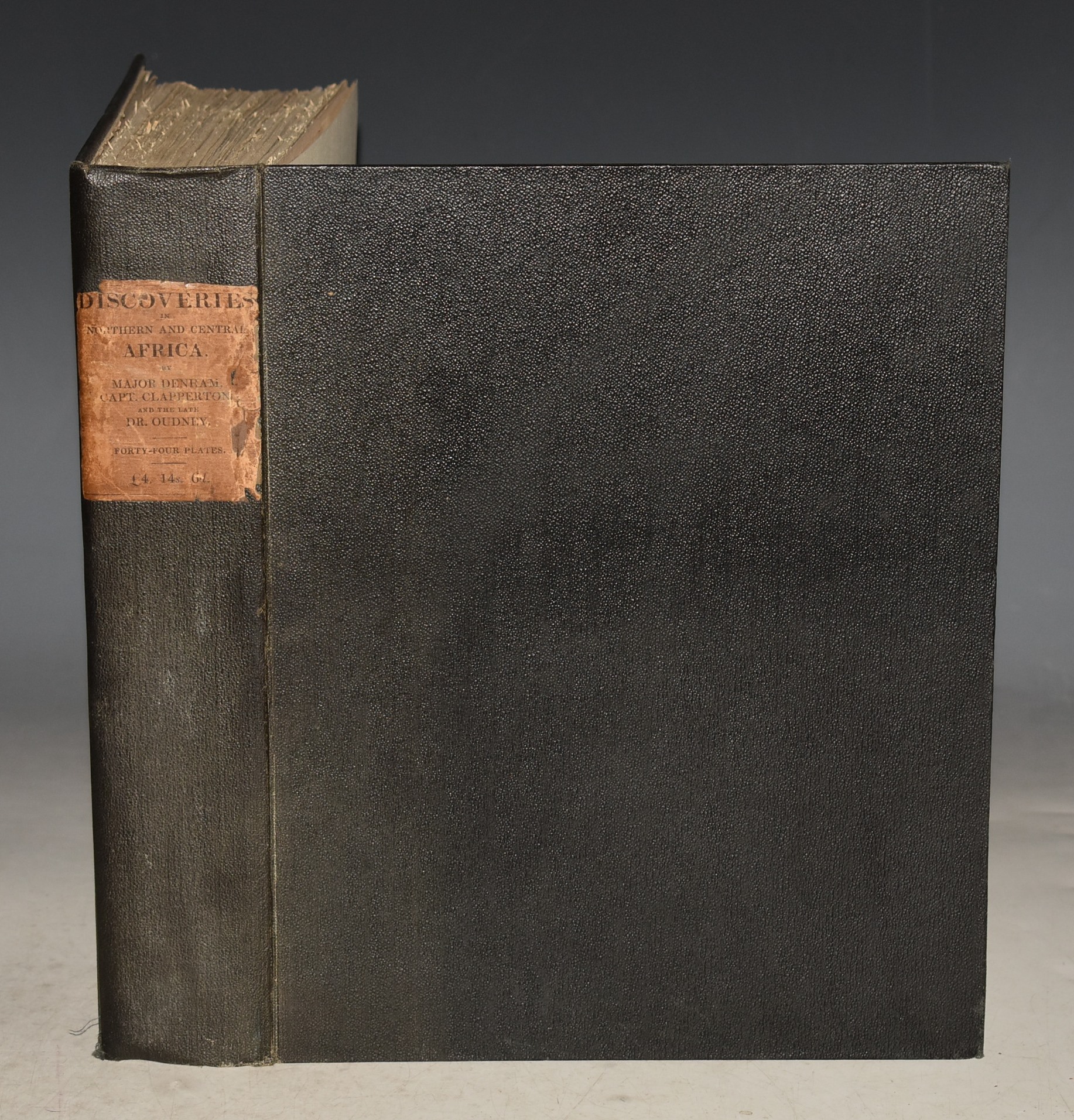 Narrative of Travels and Discoveries in Northern and Central Africa In The Years 1822, 1823 & 1824, by Major Denham, Captain Clapperton, and the Late Doctor Oudney., Extending Across the Great Desert to the Tenth Degree of Northern Latitude, and from Kouka in Bornou, to Sackatoo, The Capital of the Fellatah Empire.Find out more
 -
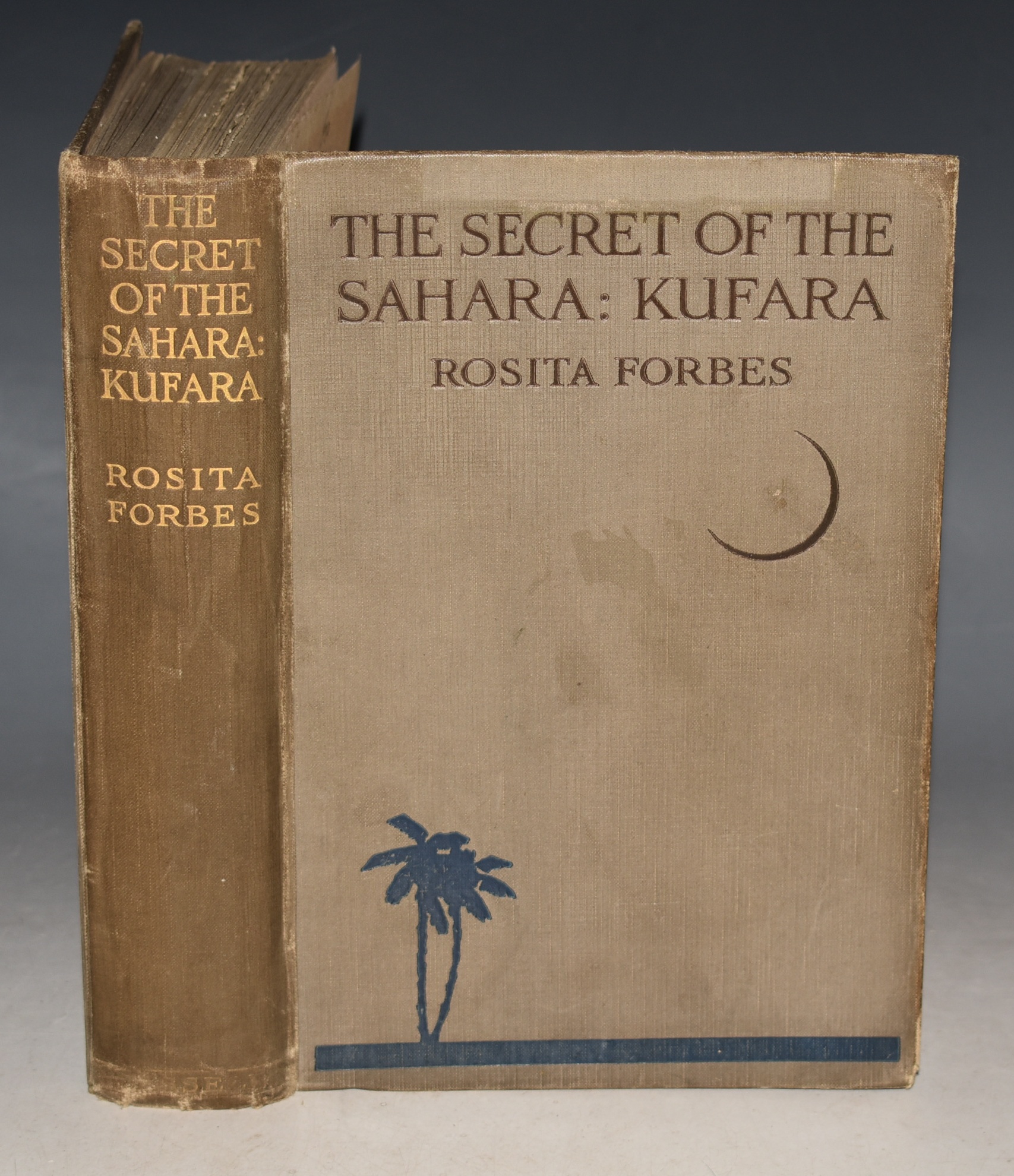 The Secret of the Sahara: Kufara. Author of “Unconducted Wanderers”. With 76 Illustrations from Photographs by the Author, and a Map.Find out more
Related products
-
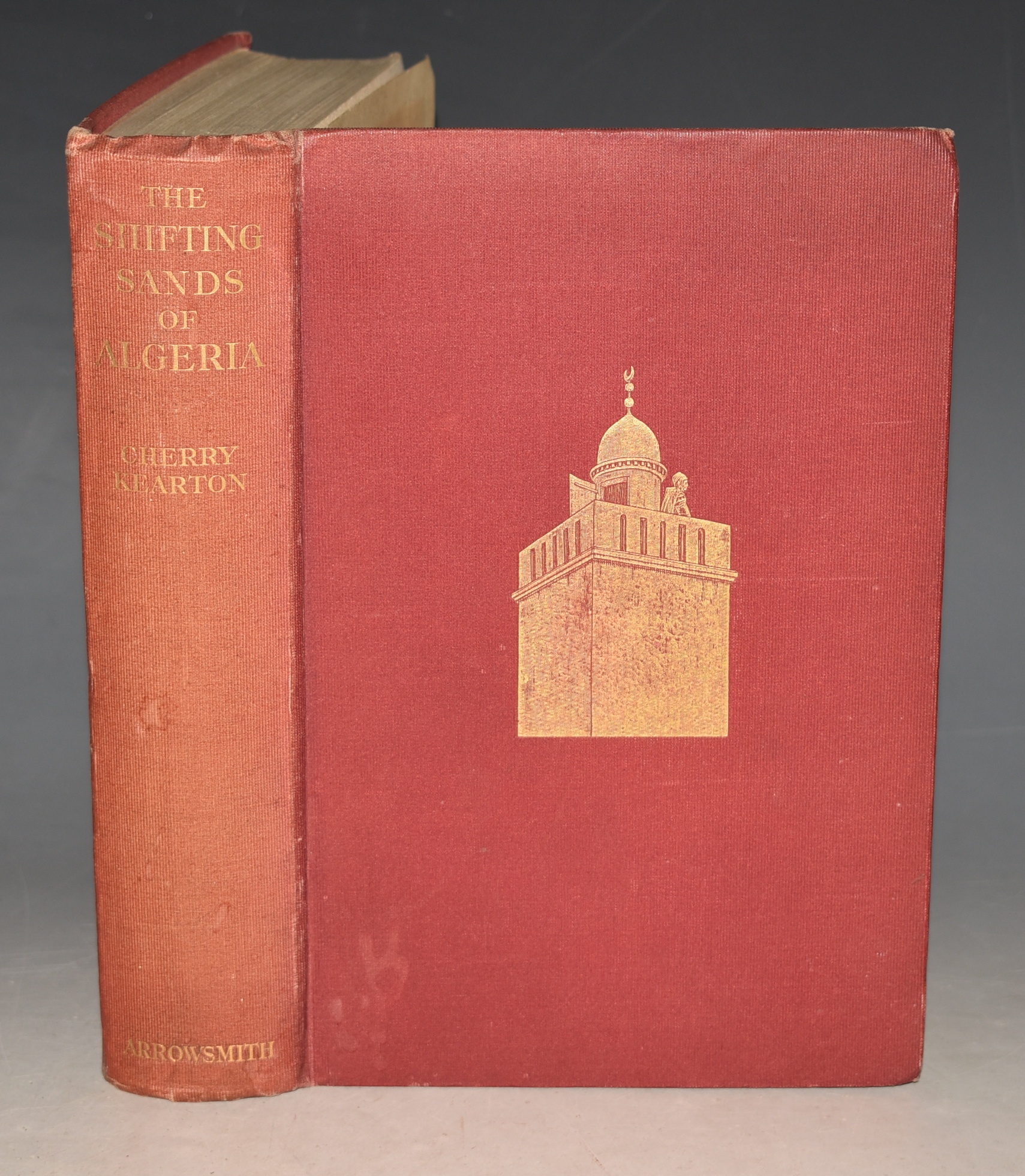 The Shifting Sands of Algeria. With 79 Photographs.Find out more
 -
 KENYA 500 shillings 1988 silver commemorativeFind out more
 -
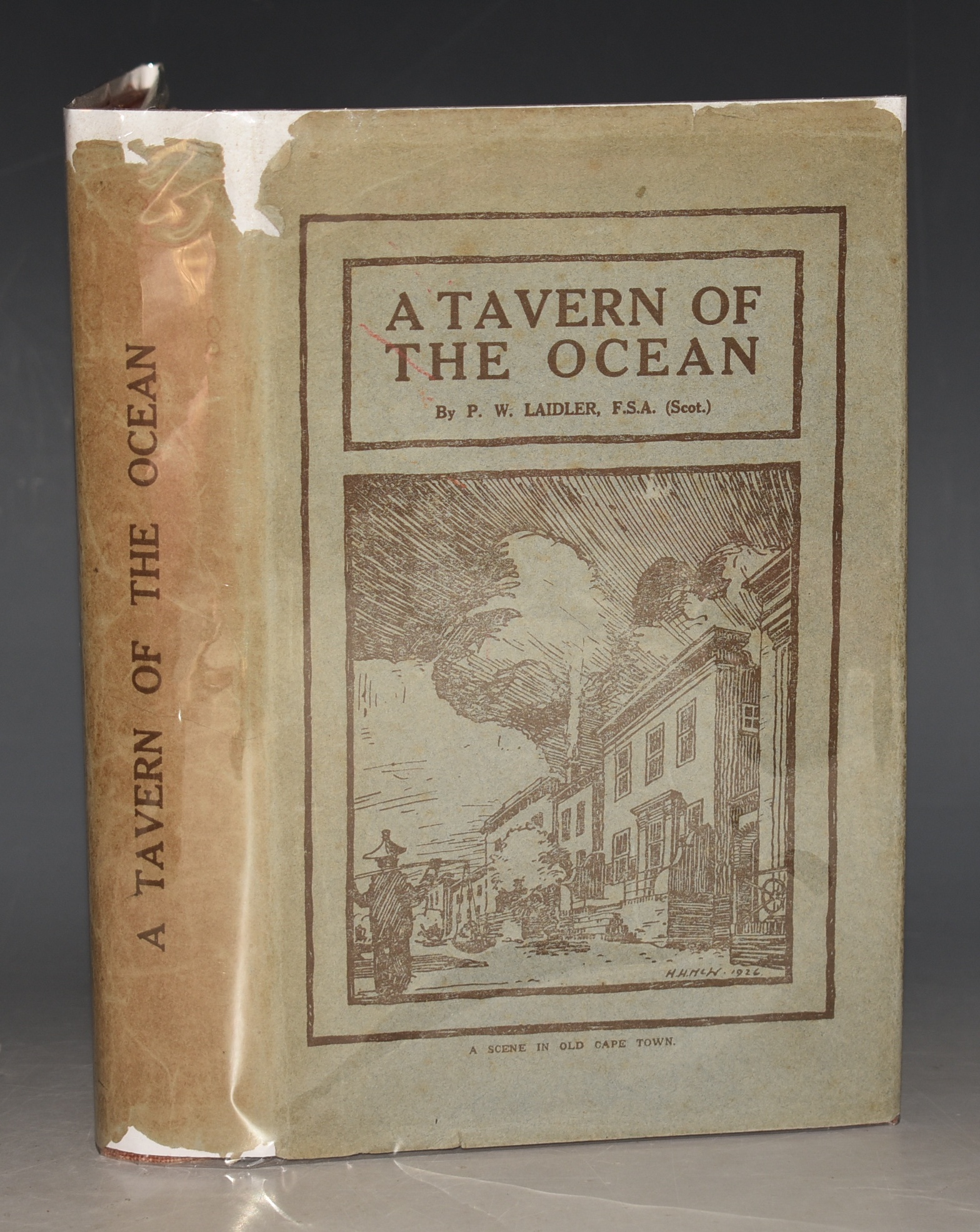 A Tavern in the Ocean Being a Social and Historical Sketch of Cape Town from its Earliest Days.Find out more
 -
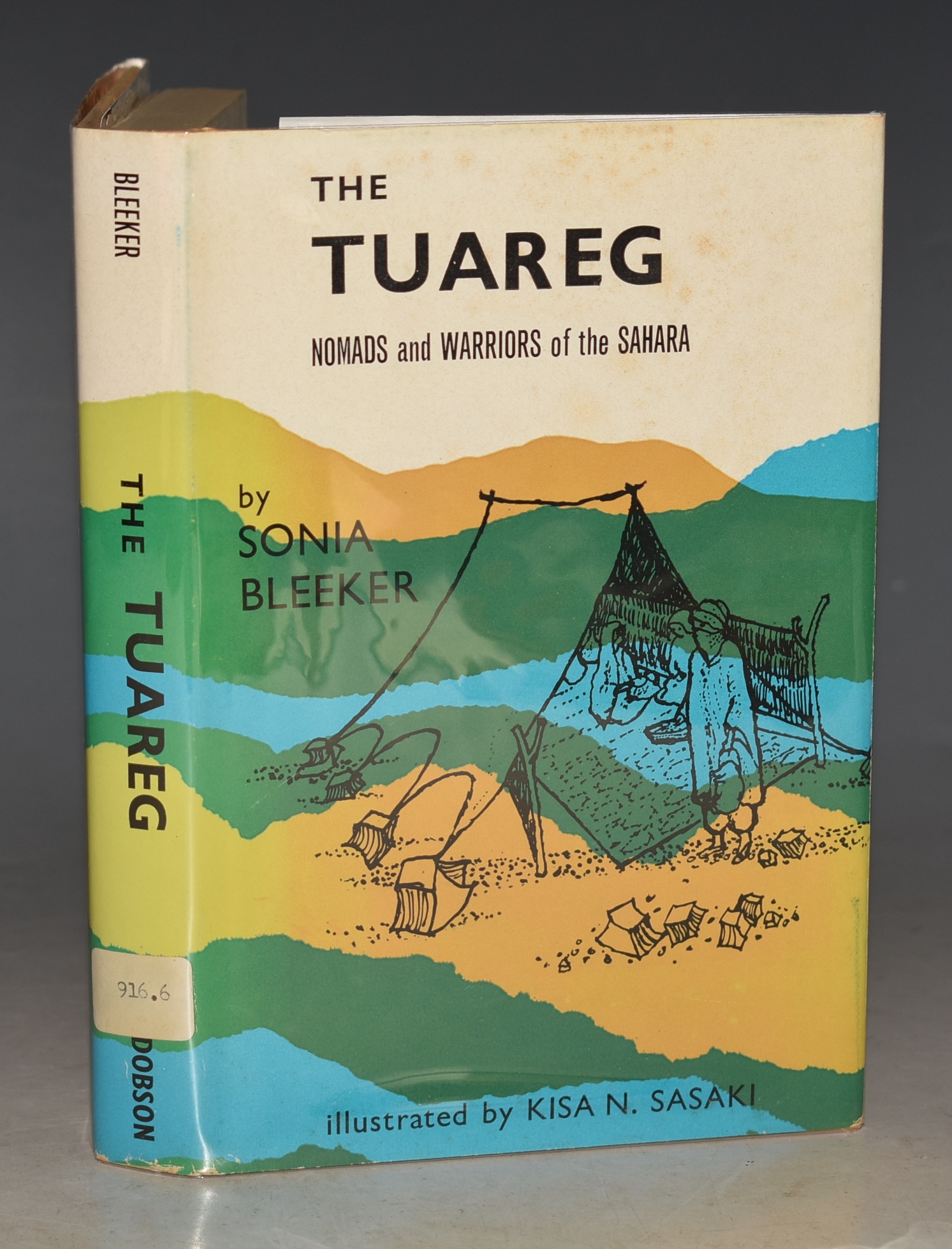 The Tuareg; Nomads and Warriors of the Sahara. Illustrated by Kisa N. Sasaki.Find out more