

DescriptionSouth Africa was the subject of colonial settlement by the Dutch and then by the English from the 17th century. The Dutch fought the British at the end of the 19th century, lost, but increasingly set government policy until 1948, when they took over the government and made apartheid government policy. They gave up on that in 1994 in a deal that had them give up their formal racism but they could keep most of their money.It has been habitual, on the collecting side of numismatics, for “Africa” to exclude the Mediterranean coastal states, which are typically lumped in with the other Arab states in the category “Middle East.” Generally speaking, there was a colonial period and an independent period.By “Modern World Coins” we mean here, generally, the round, flat, shiny metal objects that people have used for money and still do. “Modern,” though, varies by location. There was some other way they were doing their economies, and then they switched over to “modern coins,” then they went toward paper money, now we’re all going toward digital, a future in which kids look at a coin and say “What’s that?” We’ll say: “We used to use those to buy things.” Kids will ask “How?” The main catalog reference is the Standard Catalog of World Coins, to which the KM numbers refer.
You may also like…
-
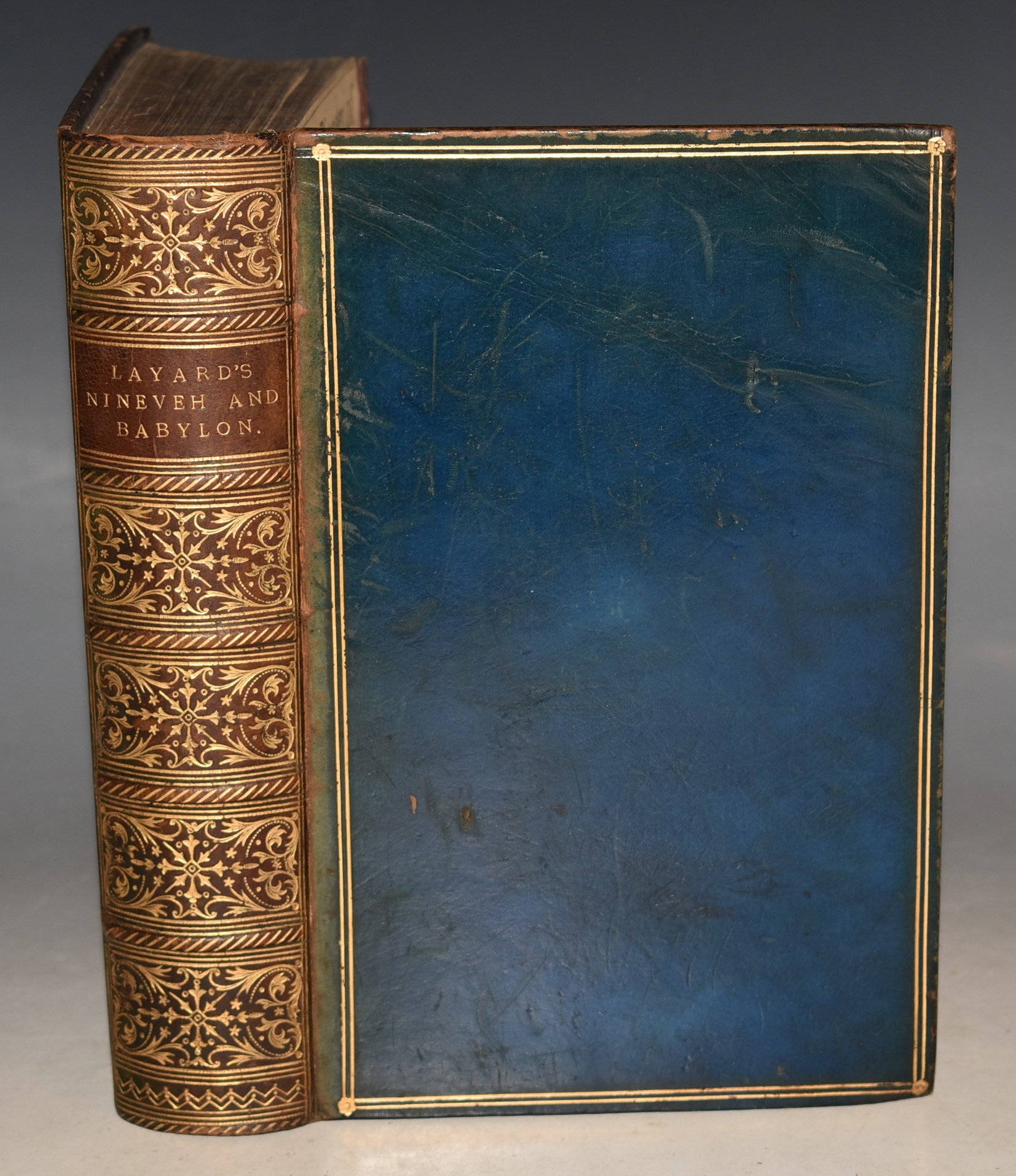 Discoveries in the Ruins of Nineveh and Babylon; With Travels in Armenia, Kurdistan and the Desert: Being the Result of a Second Expedition undertaken for The Trustees of the British Museum. With Maps, Plans and Illustrations.Find out more
 -
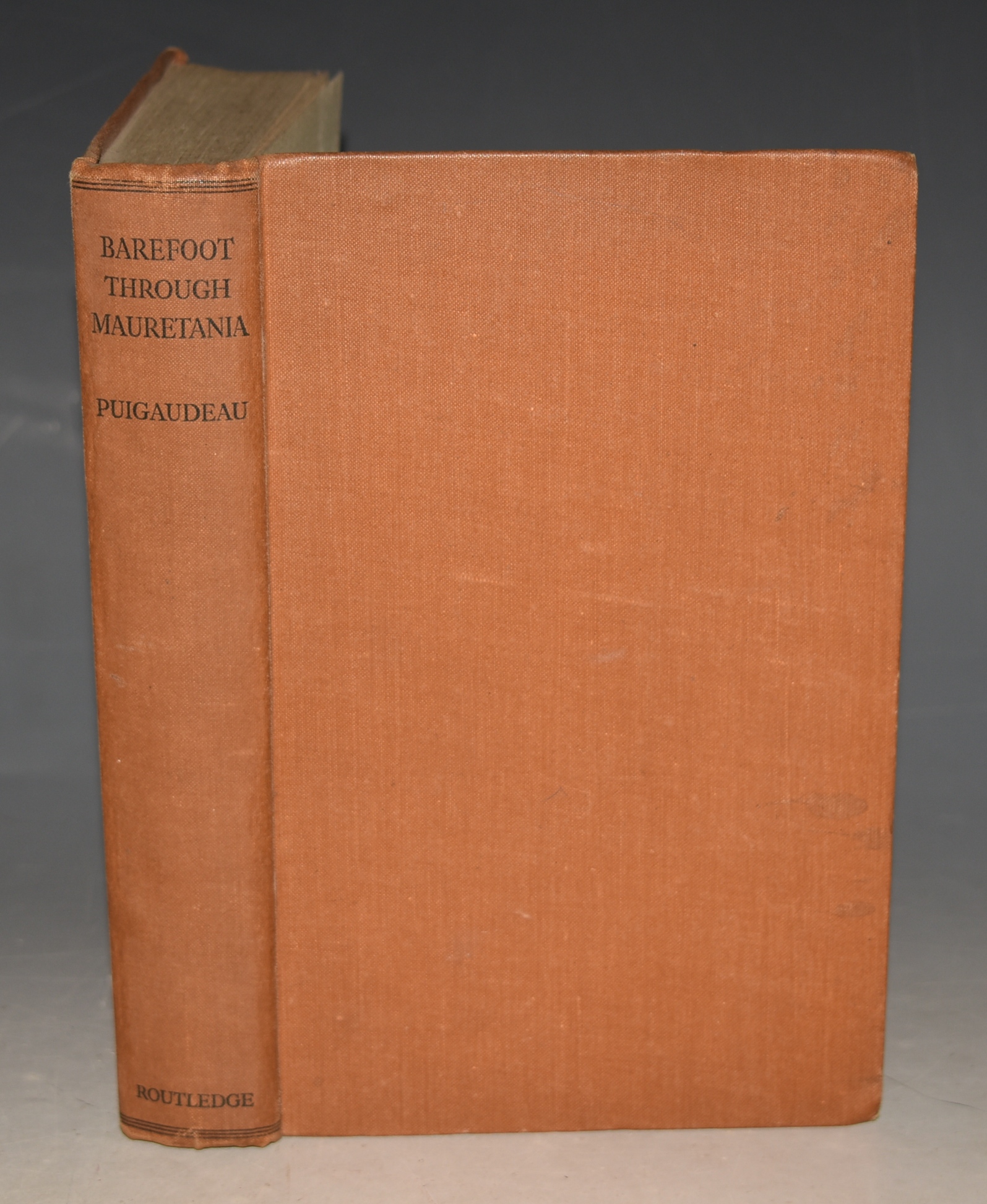 Barefoot Through Mauretania Illustrated. Translated from the French by Geoffrey Sainsbury.Find out more
Related products
-
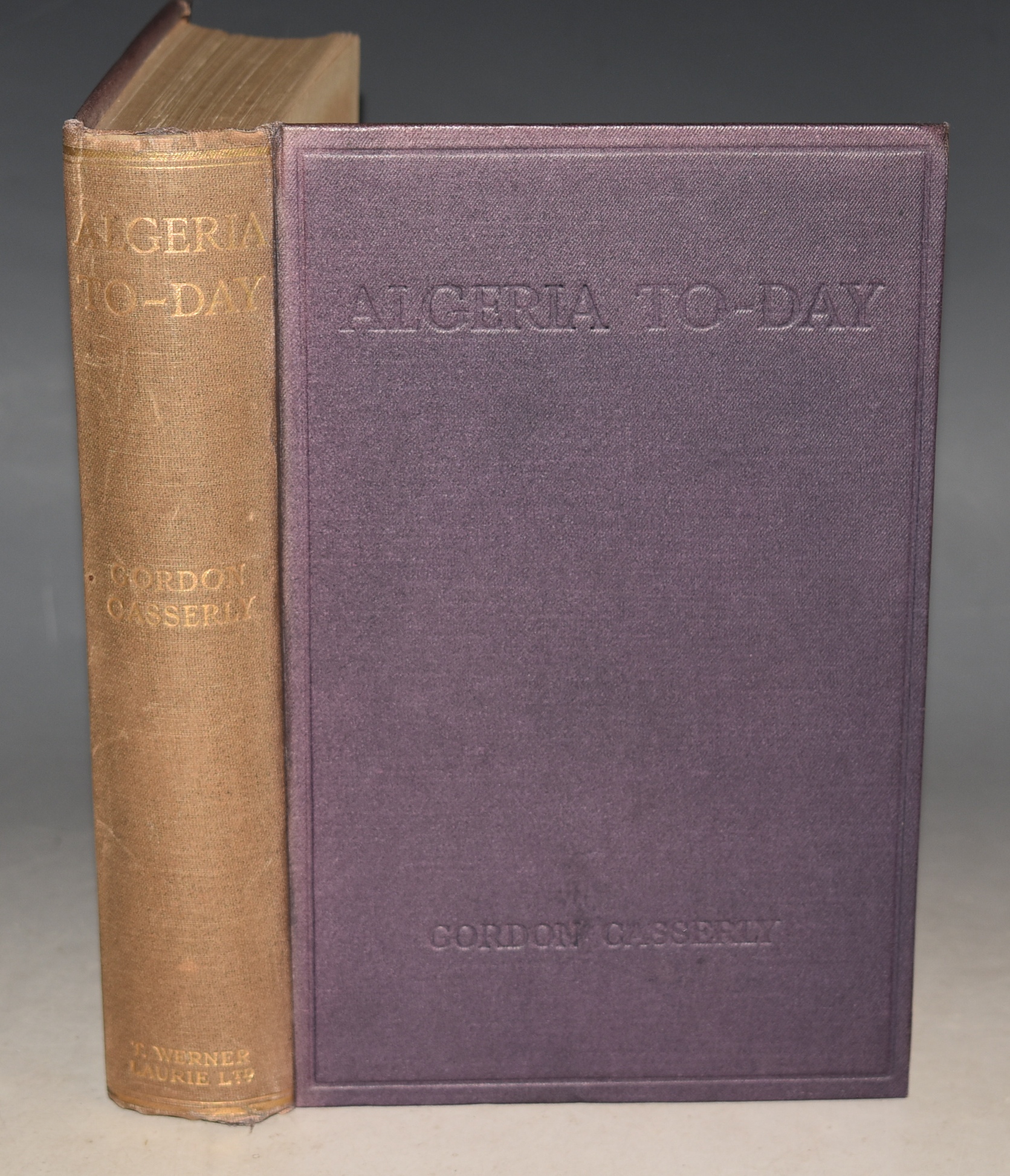 Algeria To-Day Illustrated from Photographs by The Photographic Service, Government of Algeria, and The Author.Find out more
 -
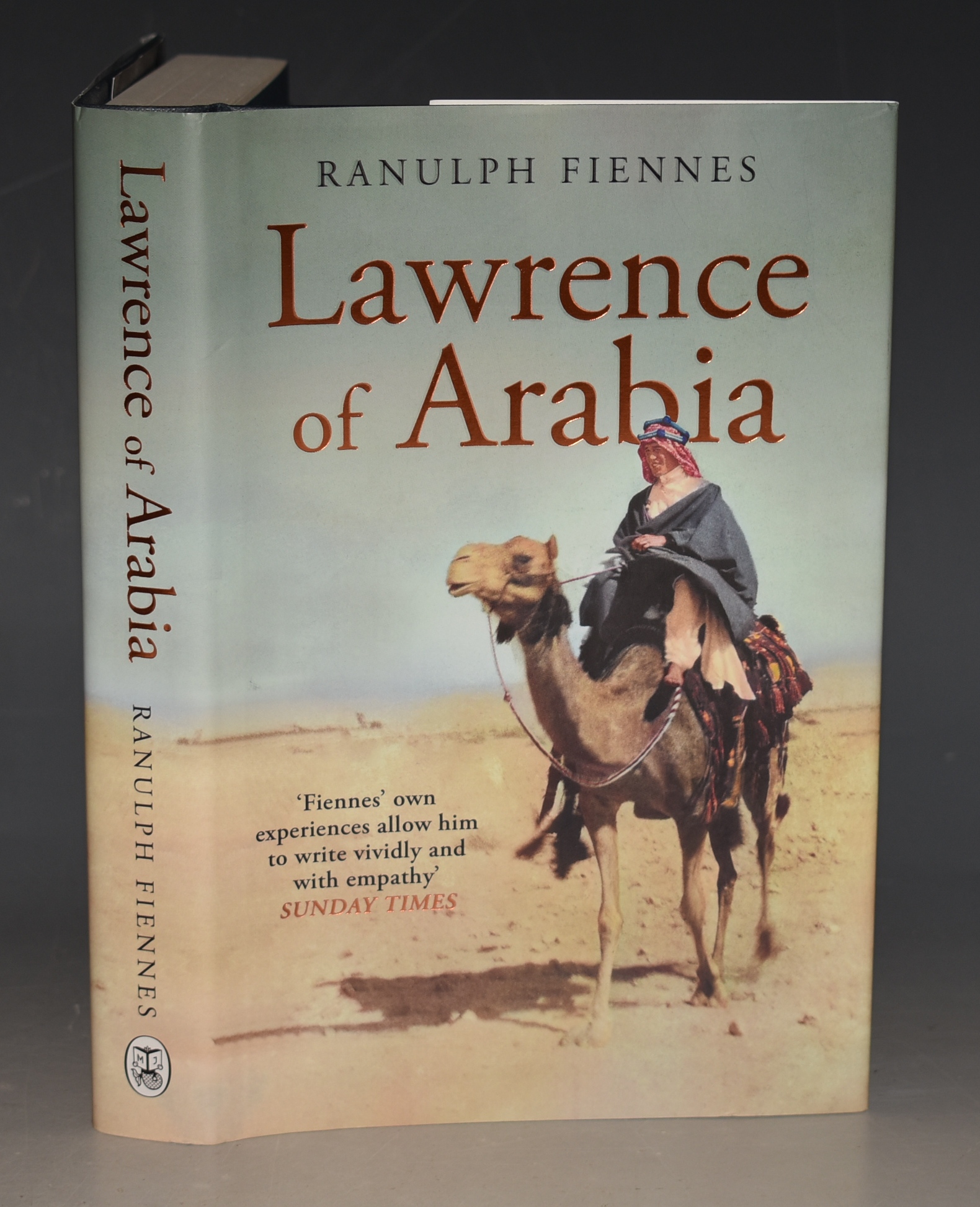 Lawrence of Arabia SIGNED COPY.Find out more
 -
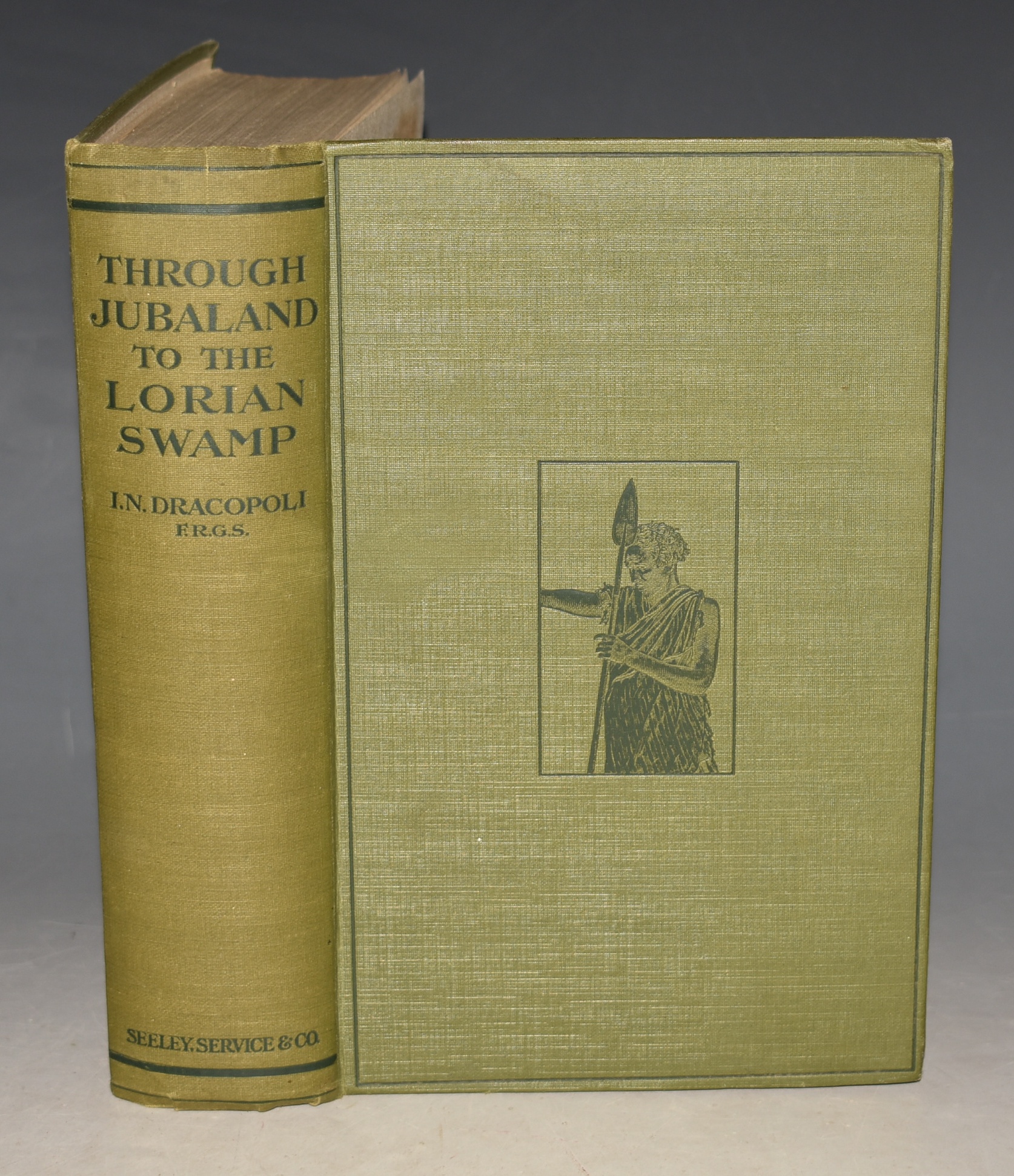 Through Jubaland To The Lorian Swamp An Adventurous Journey of Exploration & Sport in the Unknown African Forests & Deserts of Jubaland to the Unexplored Lorian Swamp. With 44 Illustrations and 2 Maps.Find out more
 -
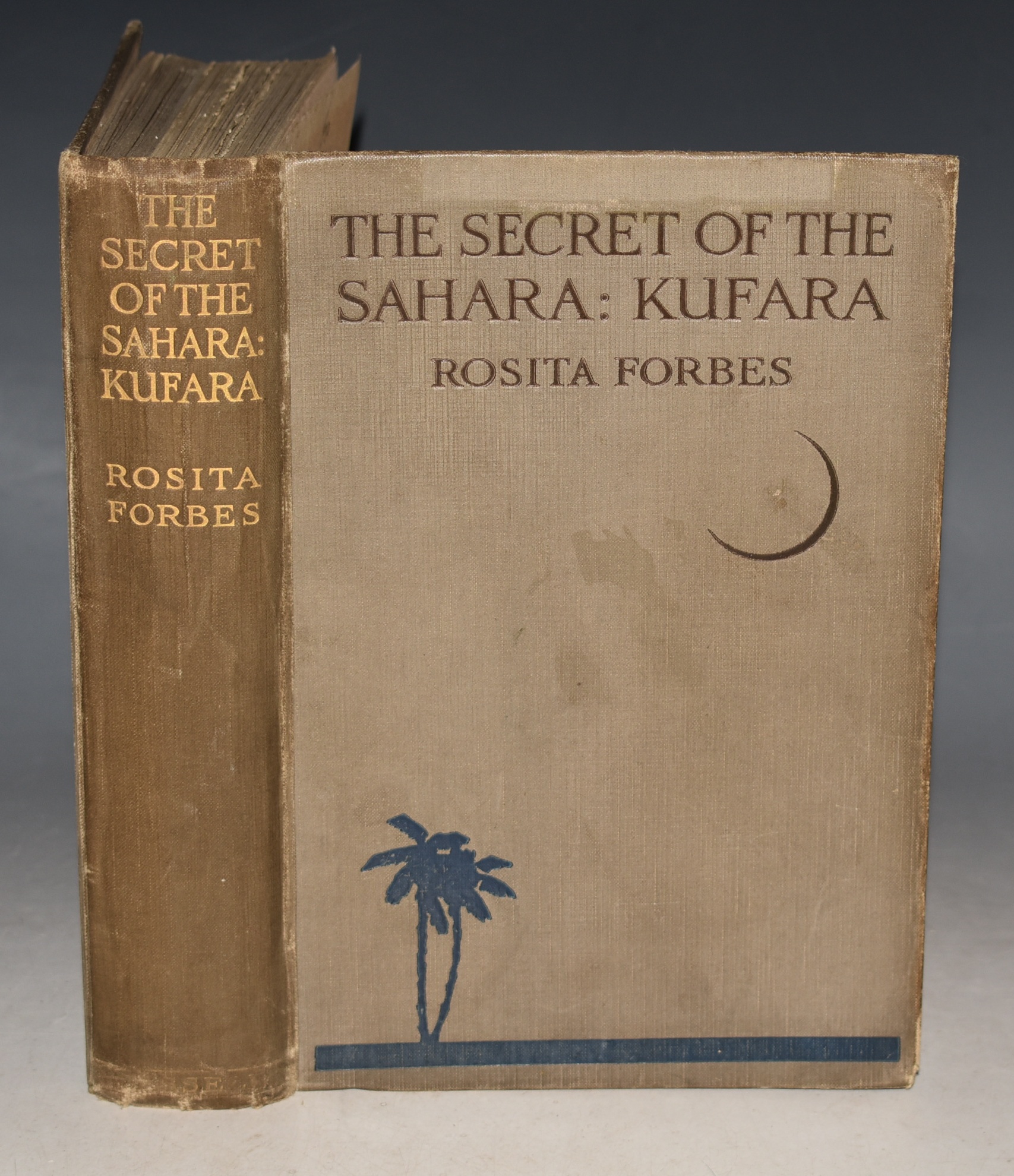 The Secret of the Sahara: Kufara. Author of “Unconducted Wanderers”. With 76 Illustrations from Photographs by the Author, and a Map.Find out more