

DescriptionThe coastal towns of Somalia took part in the Indian Ocean trade for millennia. Italy colonized the region in the late 19th century. A but to the south the British grabbed a chunk of territory. Both became independent in 1960 and formed a union. The south broke off in 1991 to form Somaliland, which has a relatively good economy but no international recognition. Somalia has been at war either externally or internally for most of the last sixty years.It has been habitual, on the collecting side of numismatics, for “Africa” to exclude the Mediterranean coastal states, which are typically lumped in with the other Arab states in the category “Middle East.” Generally speaking, there was a colonial period and an independent period.By “Modern World Coins” we mean here, generally, the round, flat, shiny metal objects that people have used for money and still do. “Modern,” though, varies by location. There was some other way they were doing their economies, and then they switched over to “modern coins,” then they went toward paper money, now we’re all going toward digital, a future in which kids look at a coin and say “What’s that?” We’ll say: “We used to use those to buy things.” Kids will ask “How?” The main catalog reference is the Standard Catalog of World Coins, to which the KM numbers refer.
You may also like…
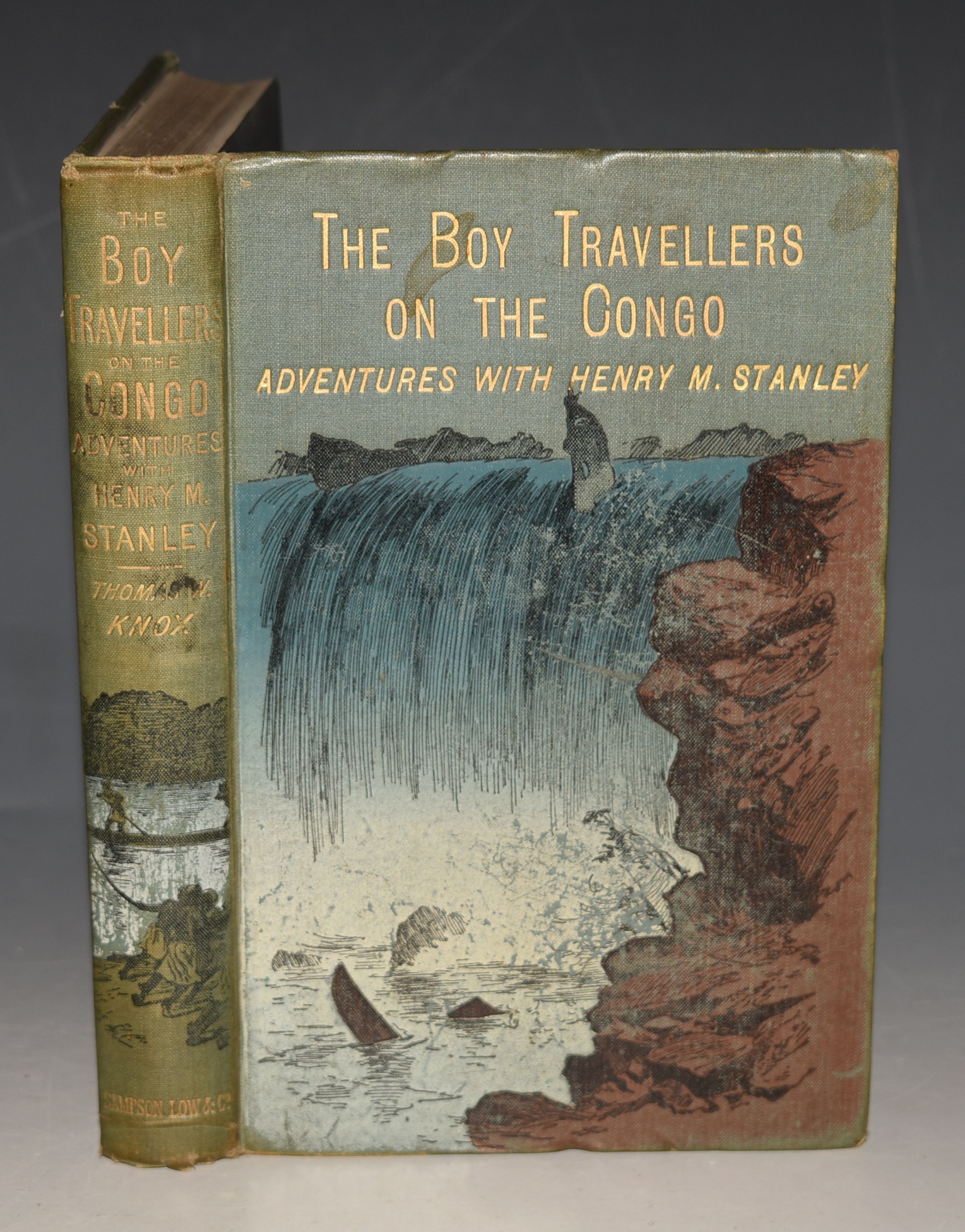 The Boy Travellers On The Congo, Adventures of Two Youths in a Journey with Henry M. Stanley “Through The Dark Continent.” Illustrated.
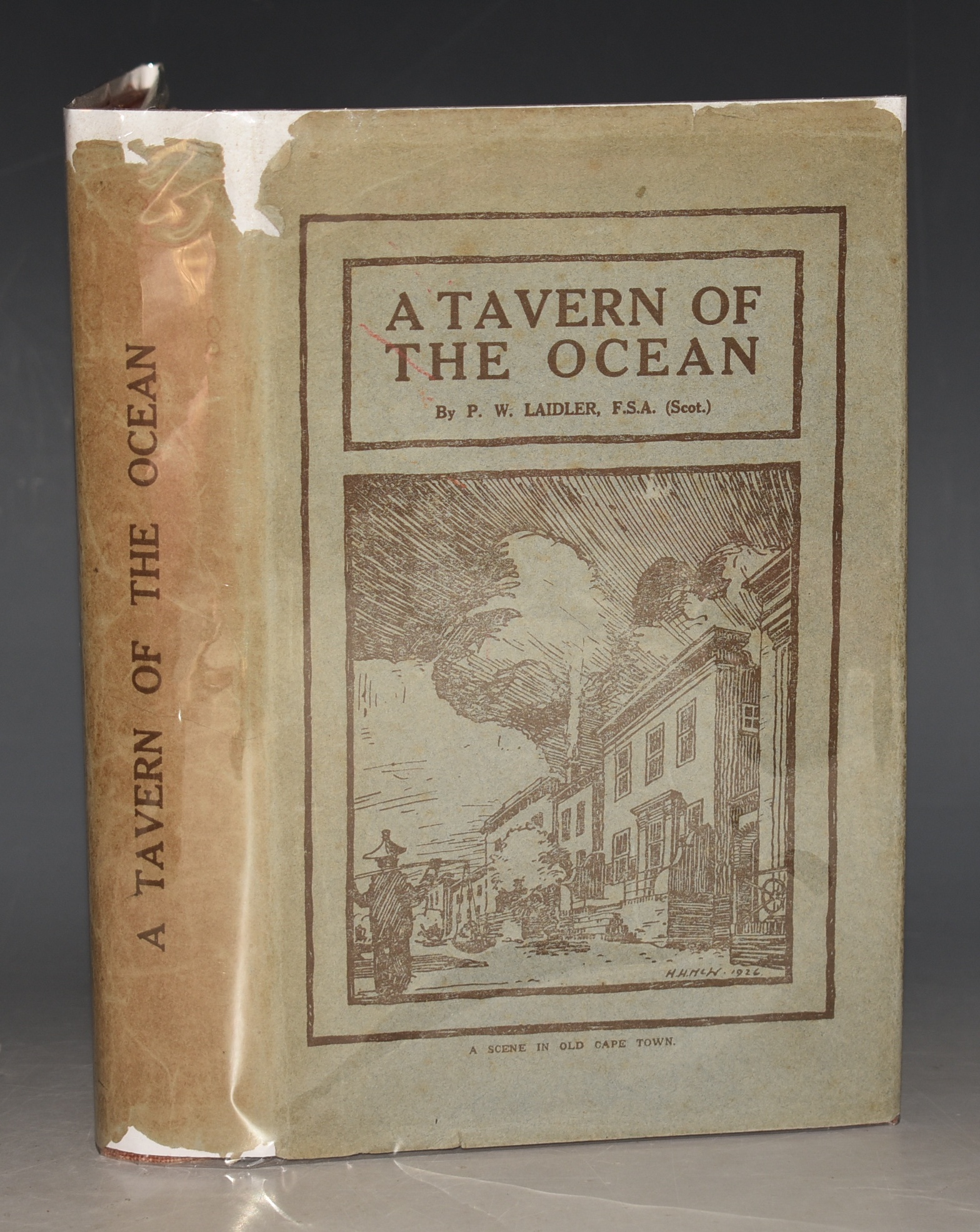 A Tavern in the Ocean Being a Social and Historical Sketch of Cape Town from its Earliest Days.
Related products
-
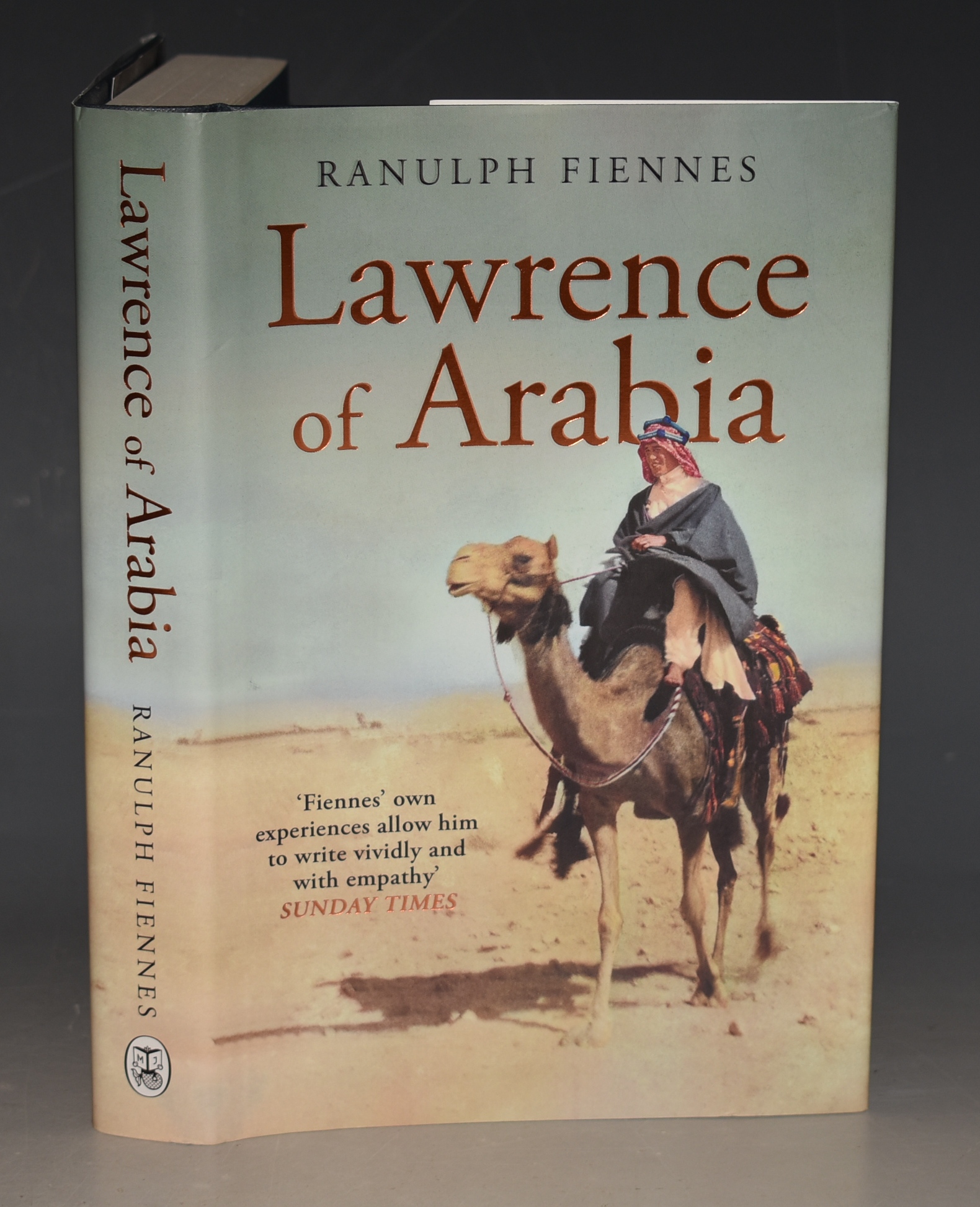 Lawrence of Arabia SIGNED COPY.Find out more
 -
 Narrative of Travels and Discoveries in Northern and Central Africa In The Years 1822, 1823 & 1824, by Major Denham, Captain Clapperton, and the Late Doctor Oudney., Extending Across the Great Desert to the Tenth Degree of Northern Latitude, and from Kouka in Bornou, to Sackatoo, The Capital of the Fellatah Empire.Find out more
 -
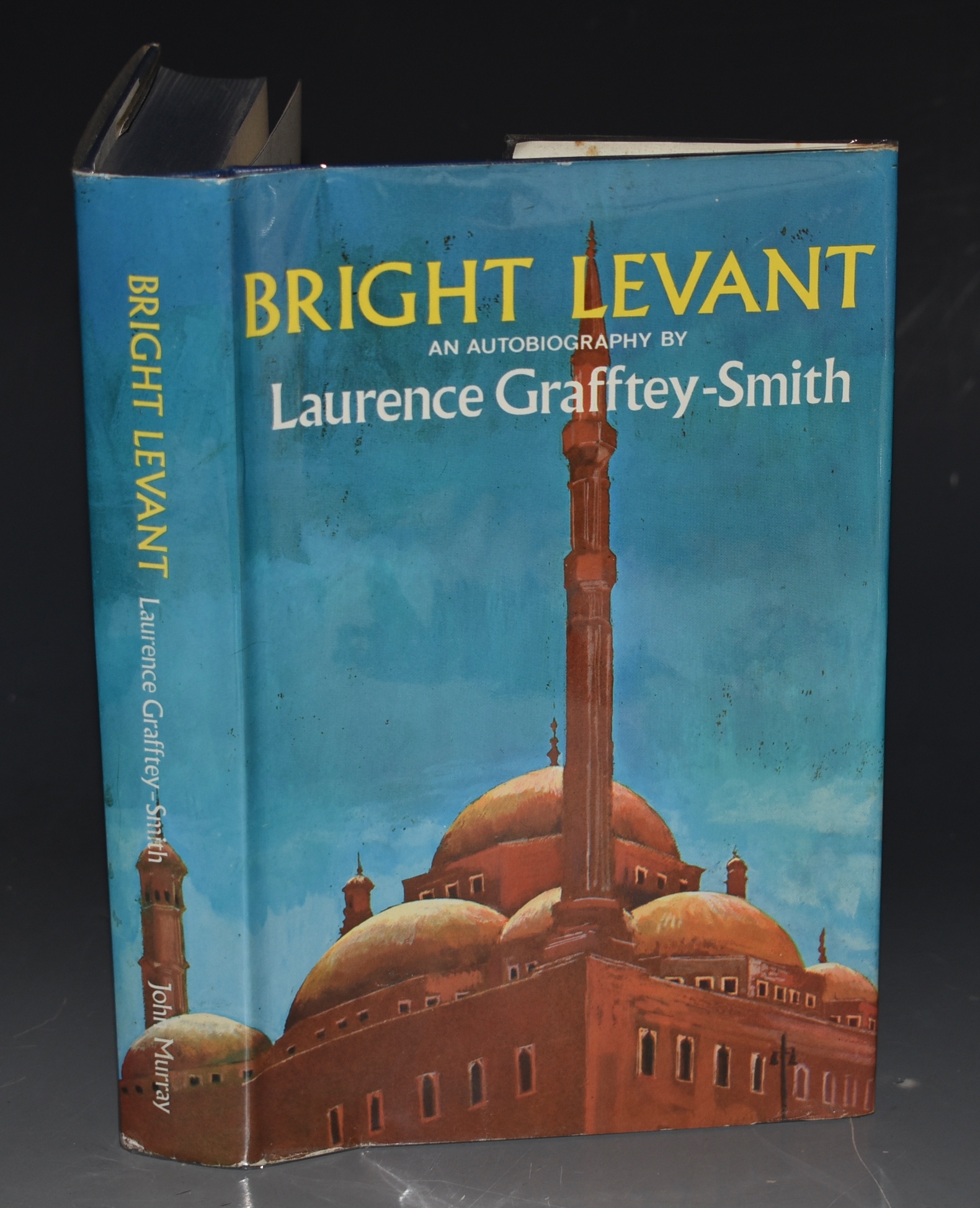 Bright Levant. Signed by Son of the Author.Find out more
 -
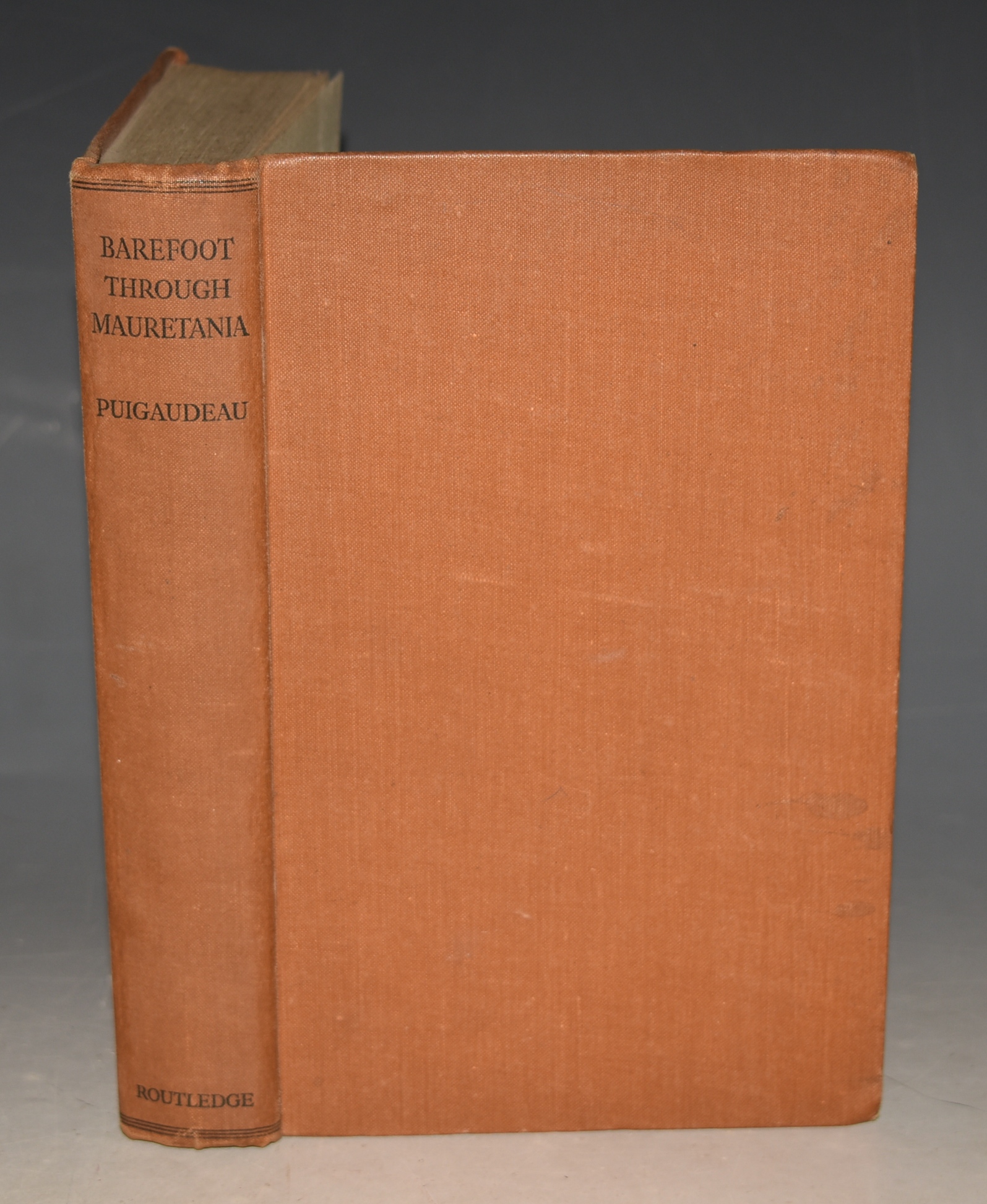 Barefoot Through Mauretania Illustrated. Translated from the French by Geoffrey Sainsbury.Find out more