

With the historic Siuslaw River Bridge in background, a west coast dungeness crab boat readies itself to return to sea and collect its valuable catch. Lane County, Florence, Oregon Central Coast. The Oregon Dungeness crab fishery is one of the most economically and culturally significant fisheries on the U.S. West Coast. Centered around the harvest of Metacarcinus magister, the Dungeness crab fishery operates seasonally and is regulated through a combination of state, tribal, and federal management frameworks. Oregon consistently ranks as one of the top producers of Dungeness crab, both in volume and value, with annual landings that can exceed 20 million pounds in productive years. Dungeness crab are distributed along the Pacific Coast from Alaska to central California, but the highest densities—and most productive fisheries—are typically found off the coasts of Oregon, Washington, and northern California. Oregon’s fishery spans over 360 miles of coastline and supports dozens of coastal communities, from Astoria to Brookings. Crabbing in Oregon generally takes place in waters up to 300 feet deep, often just a few miles offshore, and vessels range in size from small independent boats to larger commercial operations. The Oregon Dungeness crab season opens each year on or around December 1, though this date may be delayed due to concerns about crab quality or the presence of biotoxins such as domoic acid, which is produced by marine diatoms during harmful algal blooms. Before the season begins, the Oregon Department of Fish and Wildlife (ODFW), in coordination with the Oregon Dungeness Crab Commission and other stakeholders, tests crab meat yields to ensure they meet minimum market standards. Crabs must also be free from detectable levels of domoic acid before harvest is allowed. Harvesting is regulated under a limited-entry permit system, with roughly 400 permits issued statewide. Each permit allows a vessel to use a fixed number of pots (traps), capped at 200, 300, or 500 pots depending on the vessel’s permit tier. Traps are baited and deployed on the seafloor with a surface buoy to mark their location. To avoid overharvest and protect reproductive potential, only male crabs with a minimum carapace width of 6¼ inches may be retained. Female crabs and undersized males must be returned to the ocean unharmed, a rule enforced both by regulation and by on-deck sorting practices. The fishery is considered one of the most sustainable on the Pacific Coast. The Oregon Dungeness crab fishery has been certified as sustainable by the Marine Stewardship Council (MSC) since 2010, reflecting low bycatch rates, effective stock management, and minimal habitat impact from the trap-based harvest method. The fishery’s management is based on a precautionary, science-based approach, using data from annual pre-season crab abundance surveys, biological monitoring, and fishery-dependent reporting to set and adjust regulations as needed. Economic value is another key aspect of the Oregon Dungeness crab fishery. In most years, Dungeness crab ranks as the most valuable single-species fishery in Oregon. For instance, in the 2023–2024 season, preliminary data indicated landings of over 16 million pounds, generating more than $90 million in ex-vessel value. Much of the catch is sold fresh or live to domestic markets on the West Coast, although frozen and processed product is also exported internationally, particularly to markets in Asia. The fishery also faces several modern challenges. Climate change has contributed to ocean conditions that increase the risk of harmful algal blooms, which can delay openings or reduce access to crab stocks due to elevated domoic acid levels. Ocean acidification, while not yet shown to directly reduce Dungeness crab populations in the field, may impact larval development or food web dynamics over time. In addition, increasing concern about whale entanglements—particularly involving endangered humpback and gray whales—has led to new regulatory efforts to reduce vertical lines in the water column, including time-area closures and experimental use of ropeless gear. Despite these challenges, the Oregon Dungeness crab fishery remains a cornerstone of coastal livelihoods and regional seafood supply. Through a combination of conservative harvest rules, strong stakeholder collaboration, and adaptive management strategies, the fishery continues to serve as a model for sustainable commercial harvest in a changing ocean environment. Dungeness Crab, Florence Oregon, Lane County, Siuslaw River
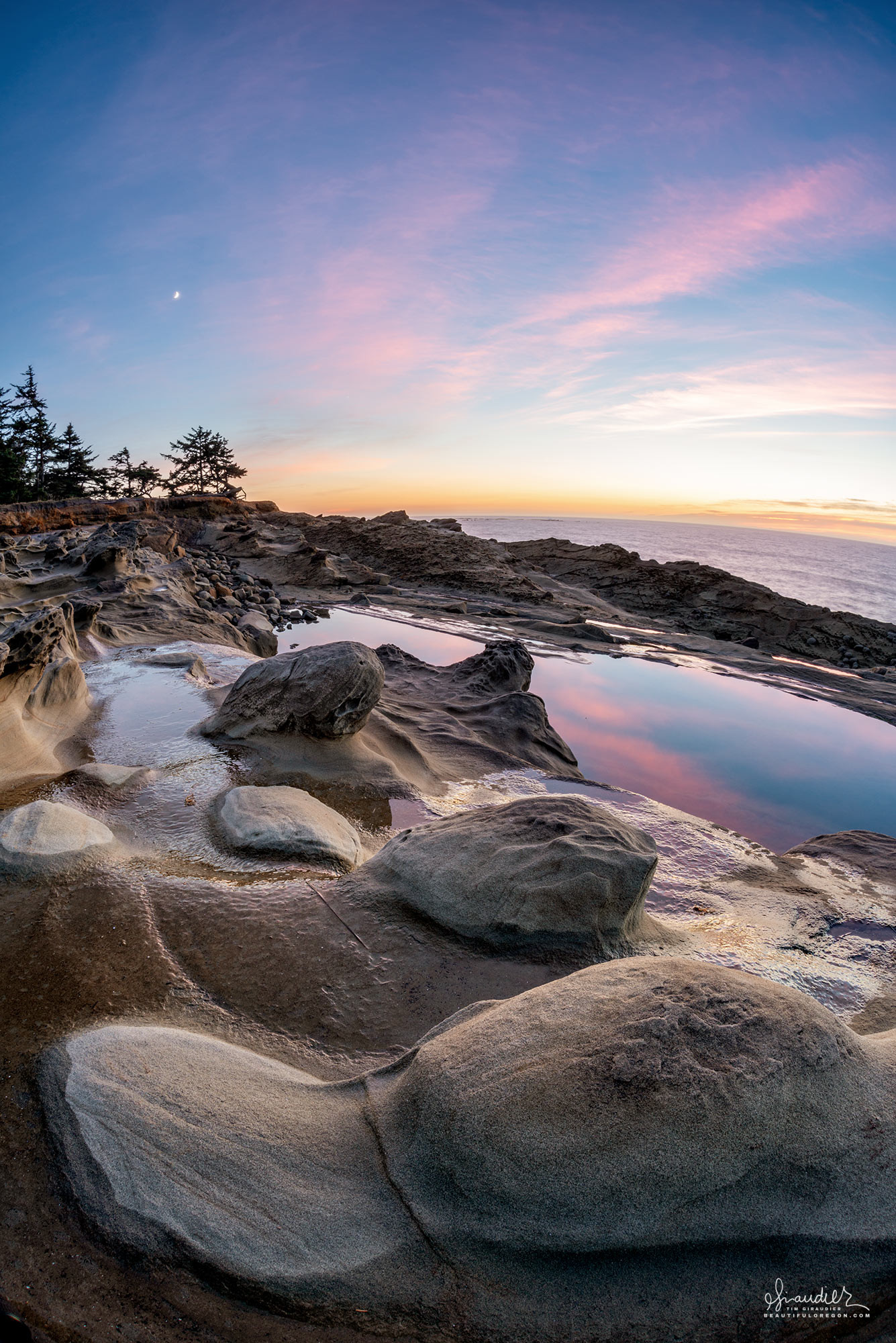 Shore Acres State Park – Oregon Coast
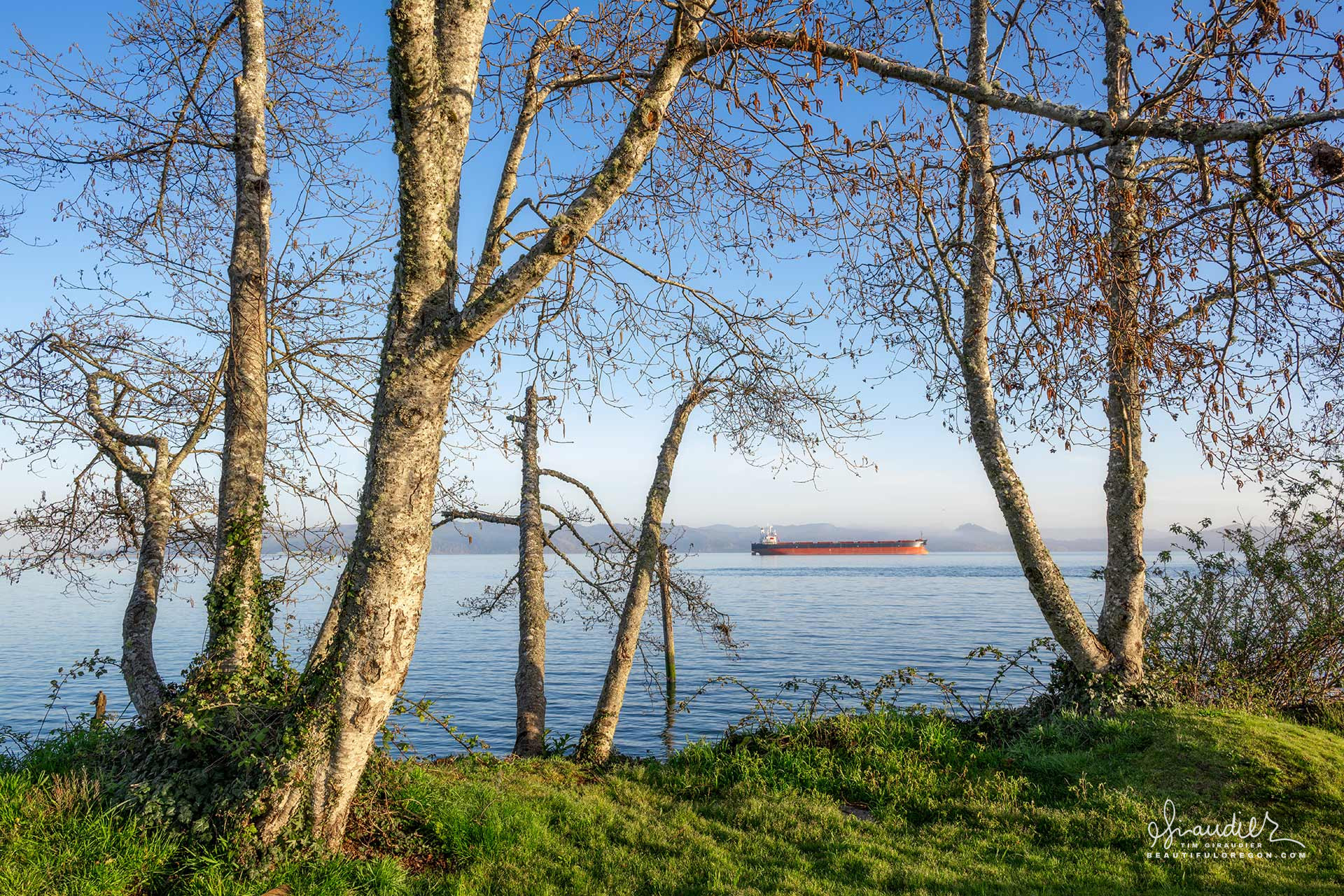 Columbia River Astoria Oregon – Bulk Freighter
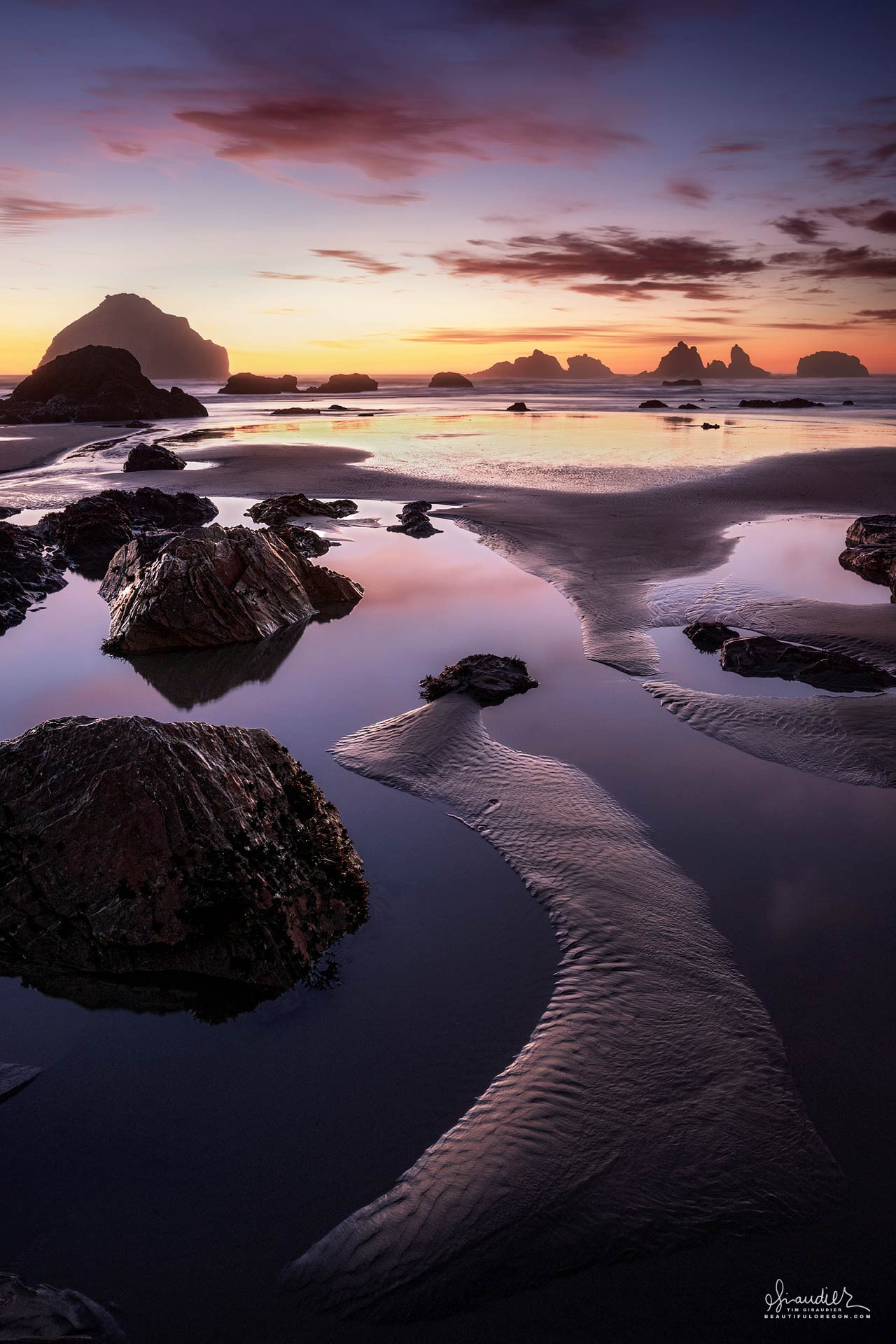 Face Rock Bandon Beach – Oregon South Coast
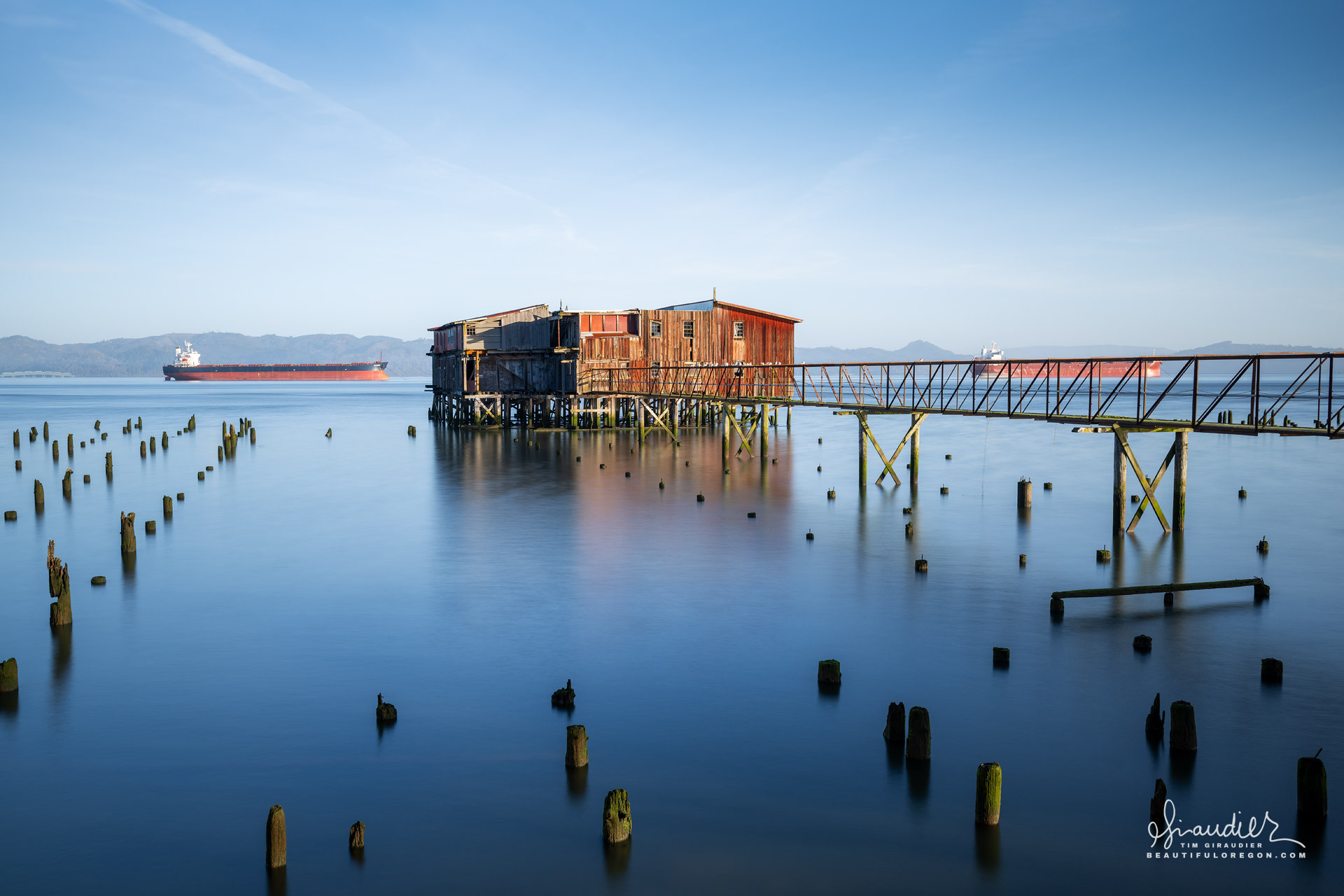 Astoria Net Shed – Big Red
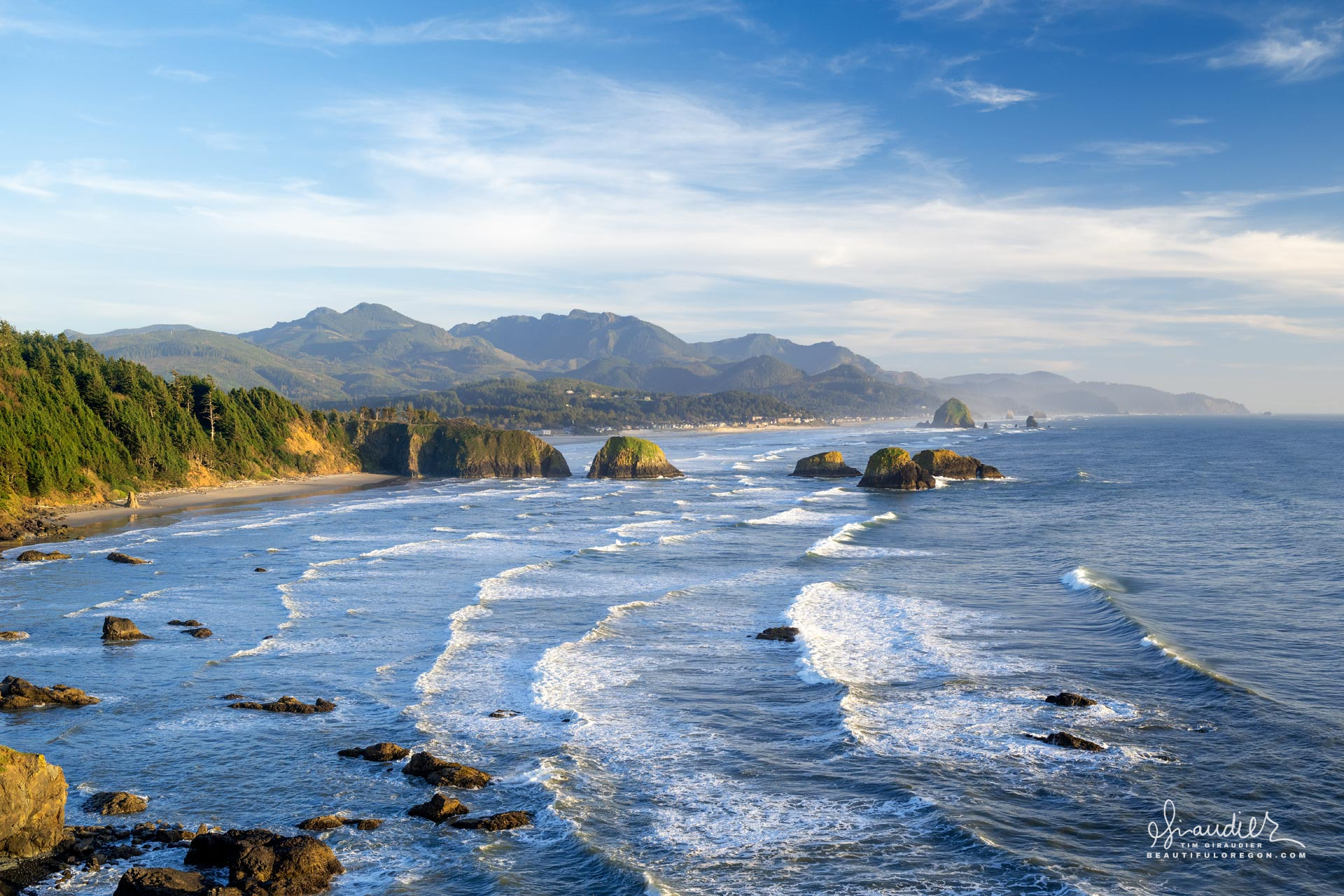 Cannon Beach Oregon Coast – Ecola State Park
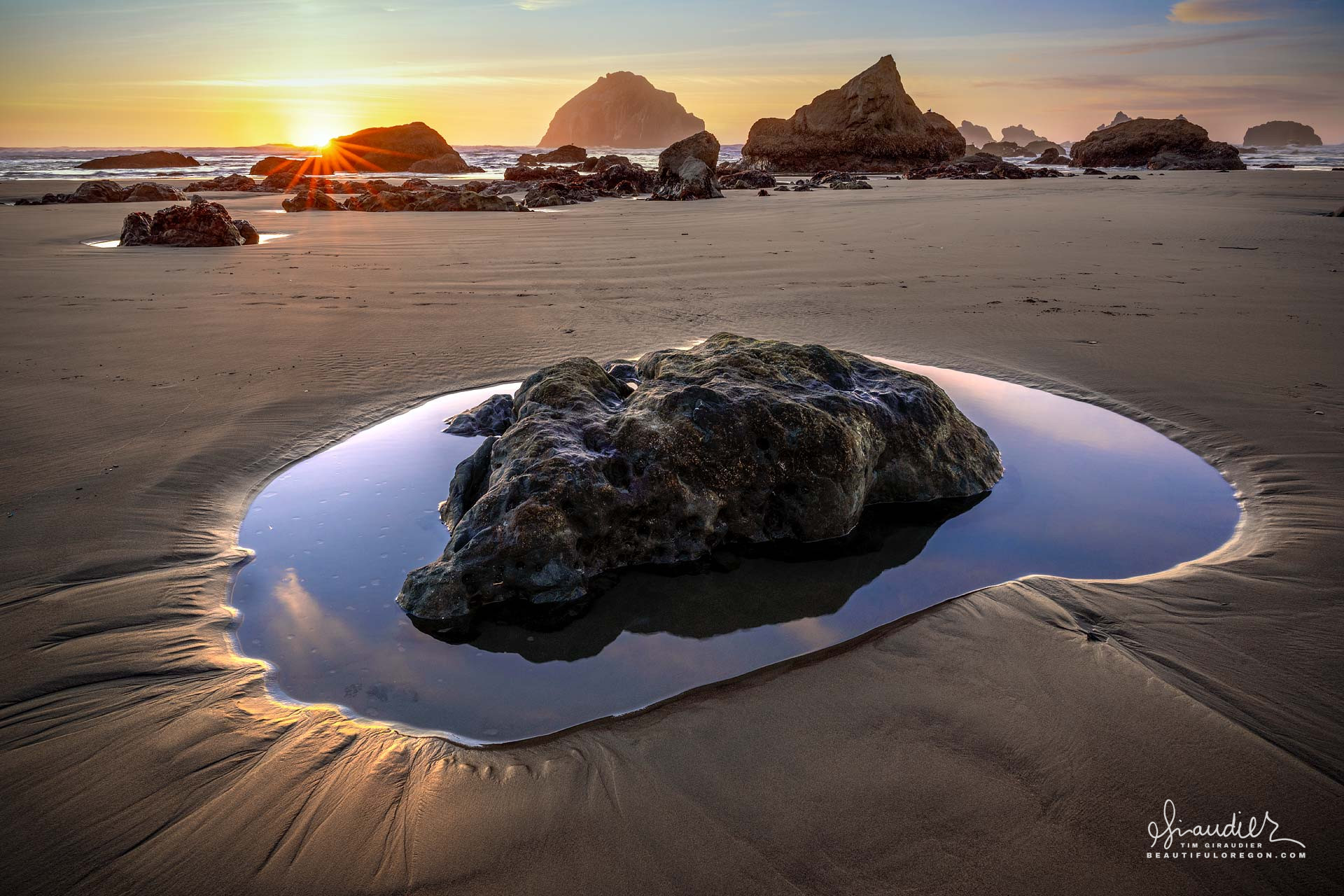 Bandon Beach Oregon Coast Sunset