

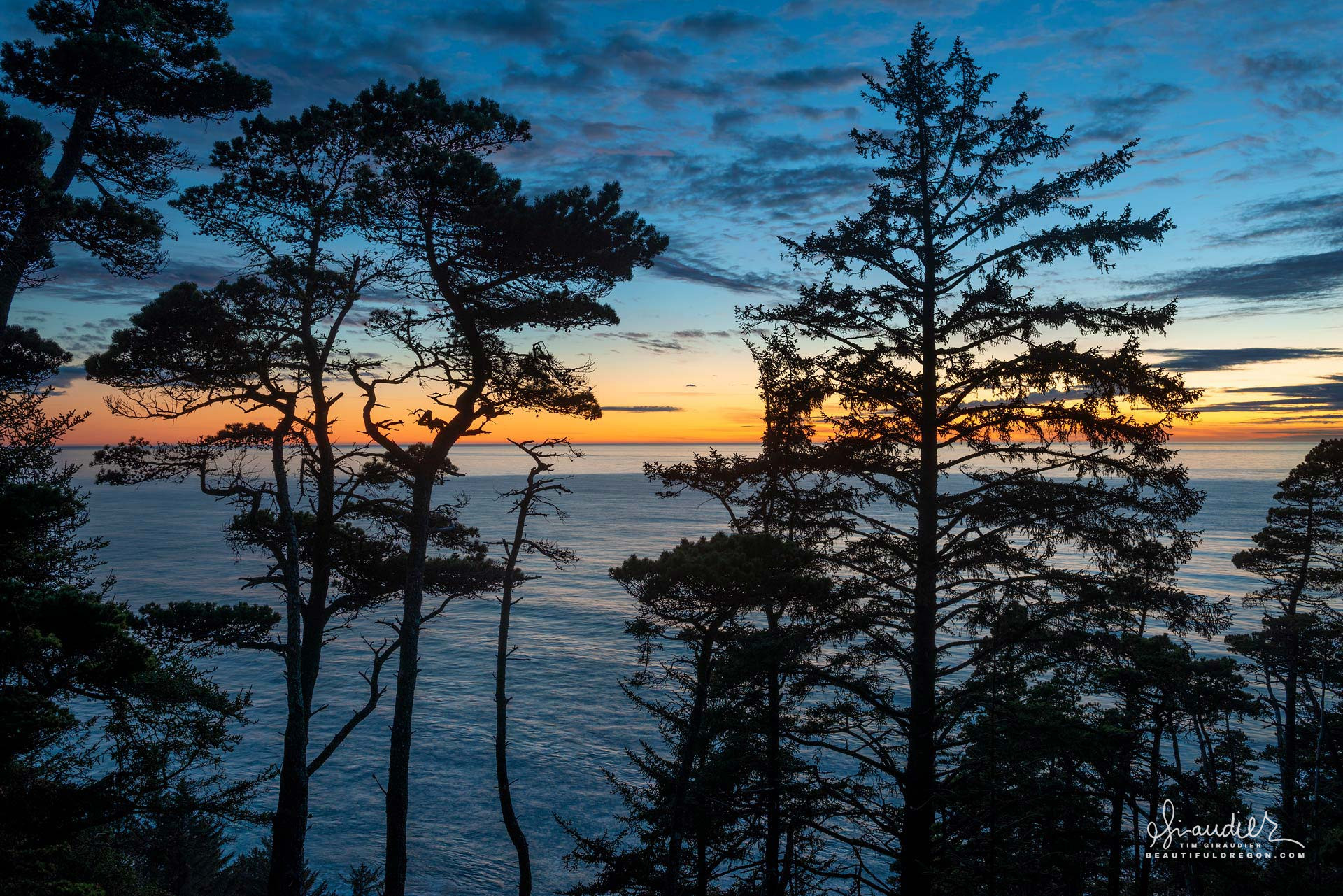
The Geology of Yachats, Oregon: A Window into Oregon’s Volcanic and Marine Past The coastal town of Yachats, Oregon, nestled along the coast near the mouth of Yachats River, is one of the most geologically distinctive sections of the central Oregon coast. Unlike the predominantly sedimentary coastline to the north and south, Yachats is known for its dark, rugged basalt flows, ancient marine sediments, uplifted terraces, and the erosional power of the Pacific Ocean—all of which reflect a complex interplay of volcanic, tectonic, and marine processes spanning tens of millions of years. Volcanic Foundations: The Yachats Basalt: The most prominent geologic feature in the area is the Yachats Basalt, a thick sequence of subaerial and submarine basaltic lava flows dating to the late Eocene Epoch, approximately 34 to 36 million years ago. This basalt is part of a larger suite of volcanic rocks associated with the Siletz River Volcanics, a foundational terrane underlying much of the Oregon Coast Range. The Siletz terrane represents a massive basaltic oceanic plateau that accreted onto the North American Plate during early Cenozoic subduction. The Yachats Basalt, specifically, is thought to have erupted from local volcanic vents, likely part of a seamount or island chain that was later uplifted and welded onto the continental margin. These flows are typically fine-grained, dark gray to black, and exhibit characteristic features of rapid cooling, such as columnar jointing, pillow lava structures, and vesicles (gas bubble cavities), particularly near the ocean. What makes the Yachats area geologically unusual is that these basalts are now exposed at sea level, due to regional uplift and tilting caused by ongoing subduction of the Juan de Fuca Plate beneath the North American Plate. This tectonic interaction, part of the Cascadia Subduction Zone, has not only shaped the coastline but continues to produce crustal deformation and earthquake potential in the region today. Marine Sediments and Structural Complexity: In addition to volcanic rocks, the area also contains marine sedimentary units, such as sandstone and siltstone, which were deposited in deep marine environments during the late Eocene and Oligocene. These sediments were later deformed, tilted, and faulted by compressive tectonic forces during and after the accretion of the Siletz terrane. In several locations, one can observe sedimentary layers directly overlying or interfingering with basaltic flows—clear evidence of submarine volcanic activity contemporaneous with sedimentation. At Cape Perpetua and in other nearby headlands, the interaction between resistant volcanic rock and softer sedimentary layers contributes to the irregularity of the coastline. Wave-cut platforms, sea caves, and tide pools have formed where fractures, bedding planes, and differential hardness control erosion. The constantly shifting boundary between land and sea continues to sculpt these features, with seasonal storms and wave action exerting enormous erosional force on the exposed rock. Uplifted Terraces and Coastal Geomorphology: Tectonic uplift, driven by compressional forces at the Cascadia Subduction Zone, has also created marine terraces along the Yachats coast. These former wave-cut platforms mark ancient sea levels and provide evidence of episodic uplift events, some of which may be linked to large subduction zone earthquakes in the prehistoric past. Radiocarbon dating and stratigraphic studies of terrace deposits have helped paleoseismologists reconstruct a history of coastal uplift and subsidence stretching back thousands of years. The geology of Yachats offers a vivid and accessible record of Oregon’s dynamic geologic history. From deep-sea basaltic volcanism and sedimentation to tectonic accretion, uplift, and modern coastal erosion, the rocks beneath Yachats reflect nearly 40 million years of Earth processes. The Yachats Basalt and its associated features not only define the town’s rugged aesthetic but also serve as key evidence in understanding the broader geologic evolution of the Oregon Coast Range and Cascadia margin. Dusk light over ancient lava flow along the Yachts waterfront. Lincoln County, Central Oregon Coast landscape photography. Lincoln County, Oregon Central Coast, Rock, Sunset, Yachats Oregon
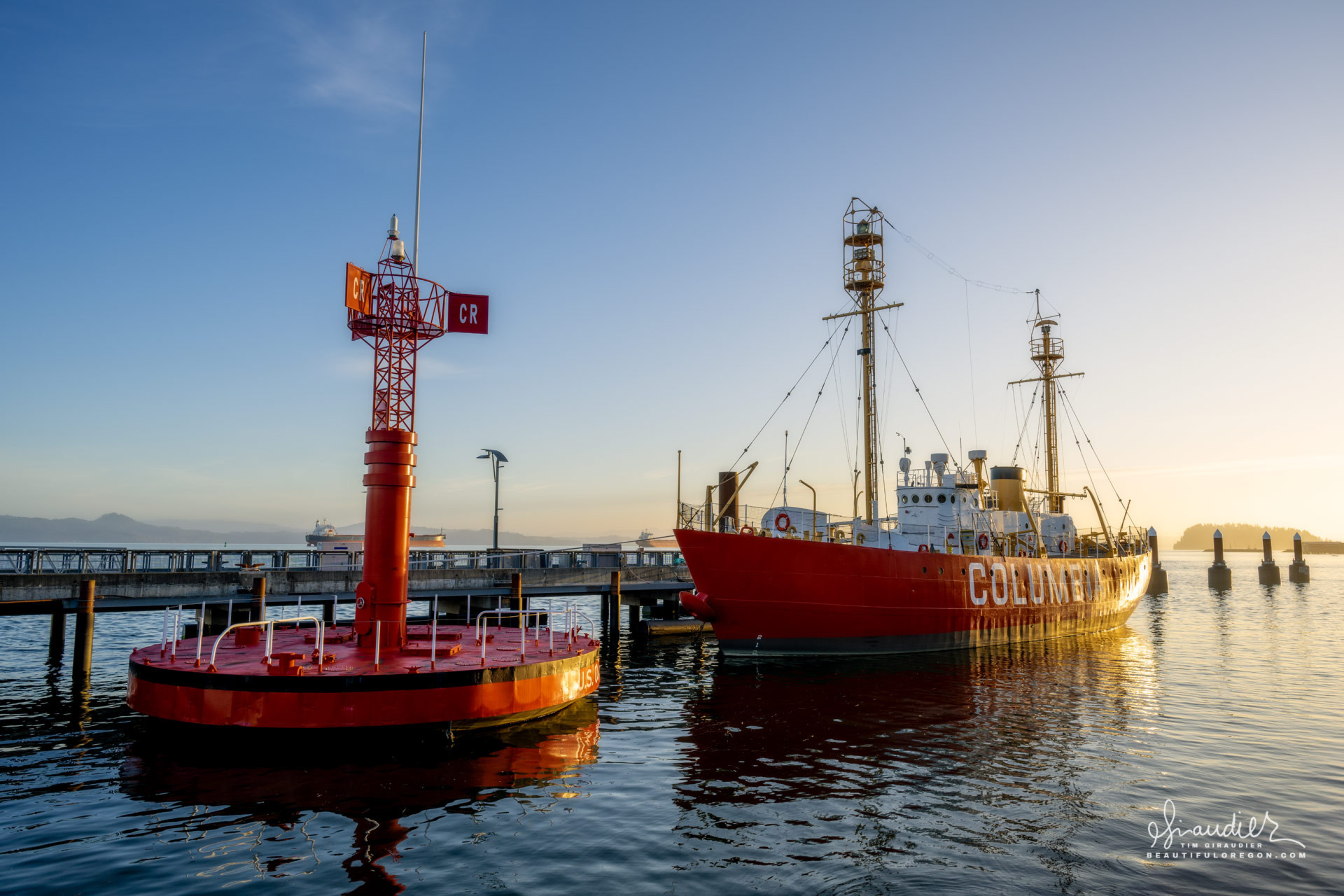 Columbia River Maritime Museum and the Lightship Columbia
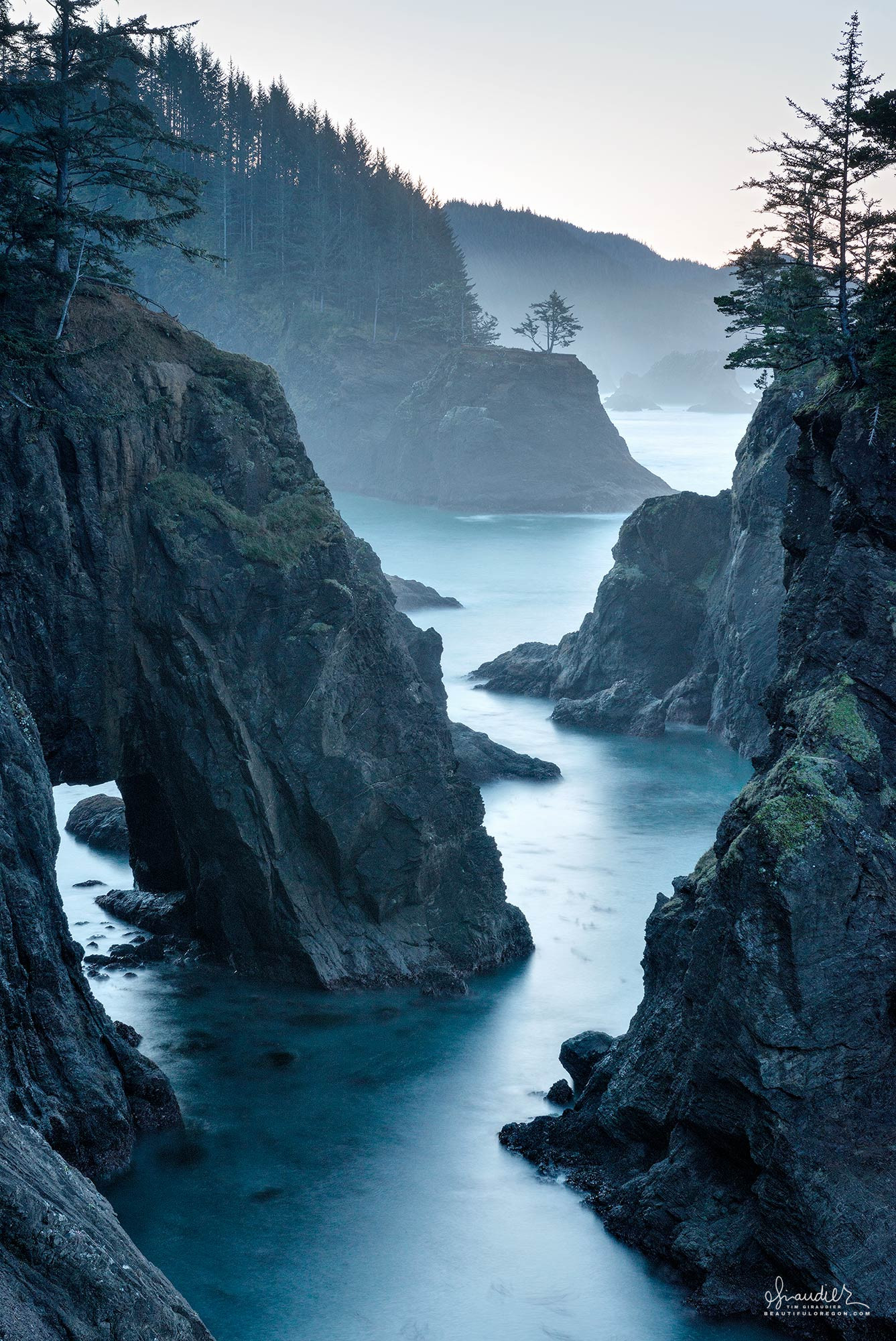 Boardman State Park Oregon South Coast
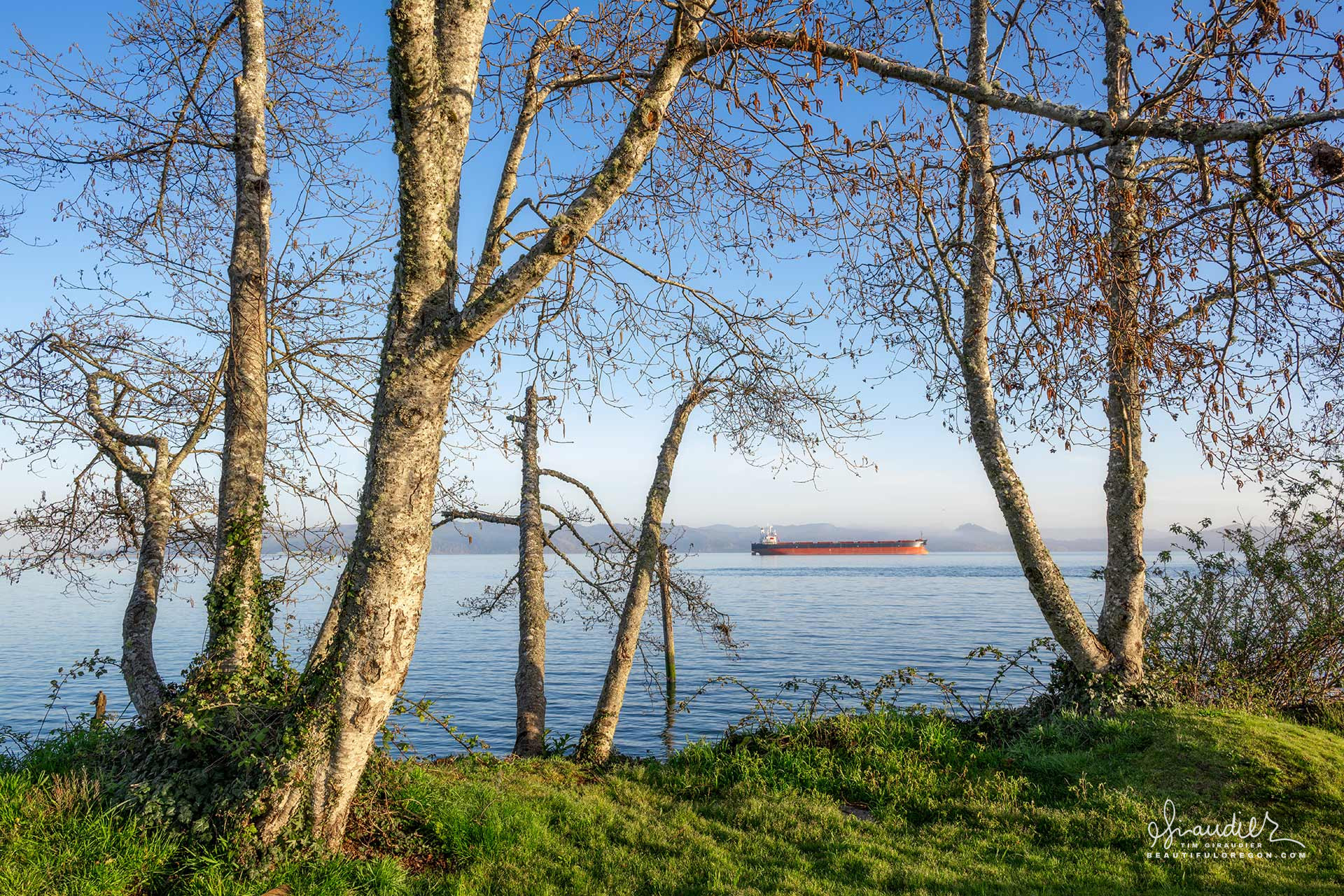 Columbia River Astoria Oregon – Bulk Freighter
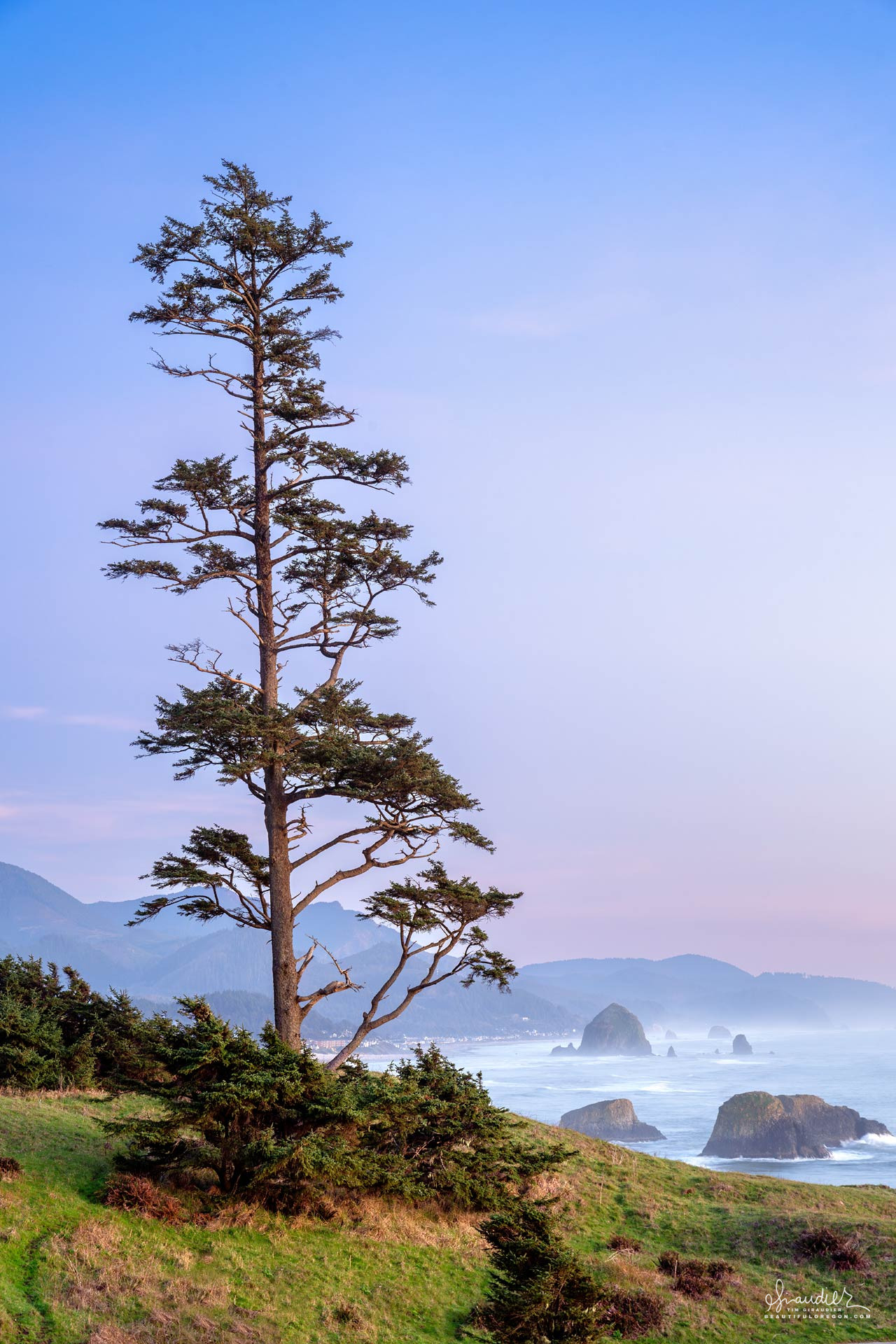 Ecola State Park Oregon Coast
 Cape Sebastian – South Oregon Coast
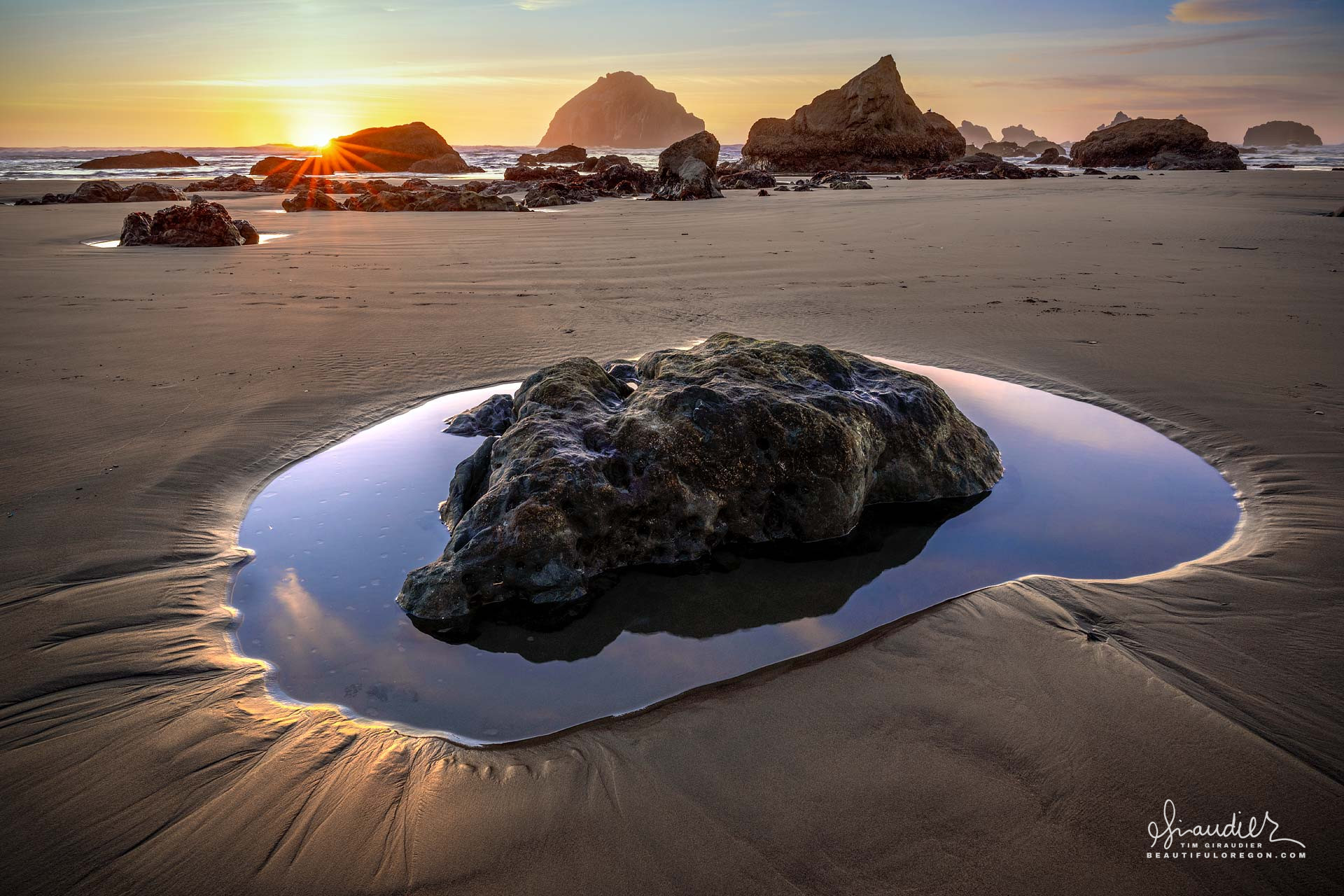 Bandon Beach Oregon Coast Sunset